

Why Pill Bugs Keep Getting Into Your Basement (It's a Moisture Problem)
You sweep up a dozen roly-polies along the basement wall, and a week later there are a dozen more. It feels like an infestation, but it usually isn't one. Pill bugs almost never breed indoors — the ones you keep finding are wandering in from outside, and they are telling you something specific about the conditions right against your foundation. Fix that, and the sweeping stops.
Pill Bugs Aren't Insects at All
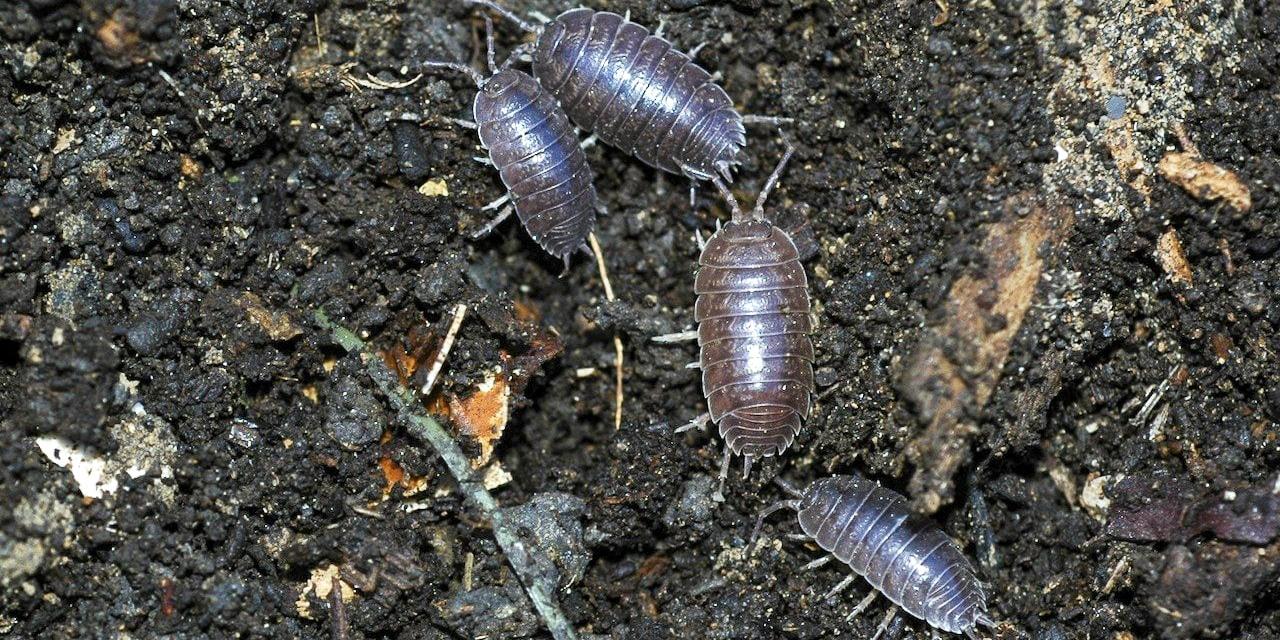
Pill bugs (Armadillidium vulgare) are terrestrial crustaceans — land-dwelling isopods far more closely related to shrimp, crabs, and crayfish than to ants or beetles. That single fact explains everything about controlling them. Like their aquatic relatives, pill bugs breathe through gill-like structures and need constant humidity to survive. Move one into a genuinely dry environment and it suffocates and dies within days.
This is why the pill bugs you find indoors are usually dead or dying, curled into their characteristic ball. Your basement, even a damp one, is a desert compared to the wet soil they came from. They are not moving in. They are wandering in by accident and running out of time.
What Actually Draws Them to Your Foundation
Pill bugs live in damp, dark places with decaying organic matter — and Overland Park landscaping tends to put exactly that against the house:
- Thick mulch beds. The mulched beds and dense foundation plantings that make Johnson County yards look good are shaded, damp, organic, and located right at your door. A deep mulch ring around the foundation is a pill bug superhighway.
- Decorative stone and pavers. Anything flat sitting on soil holds moisture underneath and creates ideal harborage.
- Leaf litter and grass clippings. Piled against the foundation, these hold water and feed the population.
- Poor drainage and grading. Downspouts that discharge at the foundation, or soil that slopes toward the house, keep the perimeter permanently damp.
- Firewood, planters, and stored materials. Anything resting directly on the ground next to the house becomes a harborage site.
Why Overland Park Gets Two Waves a Year
Overland Park sits where humid and continental climates meet, which produces wet, storm-heavy springs followed by hot, dry summer stretches. Pill bugs migrate hardest at both extremes. A soaking spring storm saturates the soil and drives them up toward foundations and patios looking for higher ground. A dry July does the opposite, pushing them to hunt for the cool, moist refuge of a basement or crawl space. Our weather practically schedules two pill bug surges a year, which is why homeowners often see them in April and again in late summer.
How They Get In
Pill bugs are ground-level invaders. They don't climb siding or come down from the attic — they crawl in at grade, through openings most homeowners never think about:
- Gaps under exterior and garage doors where the sweep is worn or missing.
- Weep holes in brick and stone veneer near grade.
- Expansion joints where a patio, driveway, or sidewalk meets the foundation.
- Cracks in the foundation and gaps around basement windows and window wells.
- Low vents, utility penetrations, and crawl space openings.
Knowing this is what makes exclusion so effective against pill bugs. A handful of door sweeps, a tube of sealant, and some weep-hole screening close off the great majority of access points — which is why a thorough inspection that maps these gaps is worth far more than another round of spray.
It Has Nothing to Do With How Clean Your House Is
This is worth saying plainly, because homeowners often assume otherwise. Spotless homes get pill bugs just as readily as cluttered ones. The draw is entirely outside — moisture and organic matter at the foundation — and no amount of indoor cleaning changes it. The fix is environmental, not a reflection of housekeeping.
Tired of sweeping up roly-polies every week? The fix is moisture and exclusion, not another can of spray. See how our pill bug control service seals the cause for good.
Explore Pill Bug Control in Overland ParkWhat to Do About It
Because pill bugs are a moisture-and-entry problem, the durable fixes are the ones that change conditions rather than kill individuals:
- Pull mulch back from the foundation. Leave a dry band of several inches to a foot of bare soil or gravel between mulch beds and the house, and keep mulch layers thin.
- Fix drainage. Extend downspouts away from the foundation, clear gutters, and correct grading so water moves away from the house rather than pooling against it.
- Clear organic debris. Rake leaf litter, clippings, and dead plant material away from the perimeter.
- Lift stored items off the ground. Move firewood, planters, and stored materials away from the house and up onto racks.
- Seal ground-level entry points. Install door sweeps, seal thresholds and foundation cracks, and screen weep holes and low vents.
- Dry the interior. Run a dehumidifier in basements and crawl spaces and address any water intrusion — a dry lower level kills the pill bugs that do get in.
When Spraying Is and Isn't the Answer
Interior spraying for pill bugs is largely wasted effort. They aren't breeding in your basement, so treating indoors kills the few that already wandered in while doing nothing about the population outside or the gaps letting them through. Where treatment does help is on the exterior — a residual barrier around the foundation, entry points, and harborage areas, applied ahead of the spring and late-summer migrations, intercepts pill bugs before they reach the house.
The most effective approach pairs that exterior barrier with the moisture correction and sealing work, which is what turns a one-time knockdown into control that holds through the seasons. Frontier Trapper takes an exclusion-first approach to pill bugs rather than defaulting to repeated chemical treatments — we walk your full foundation and damp zones to find both where pill bugs are getting in and what's drawing them there, then fix both. The same sealing keeps out the more damaging pests that exploit the very same openings.