

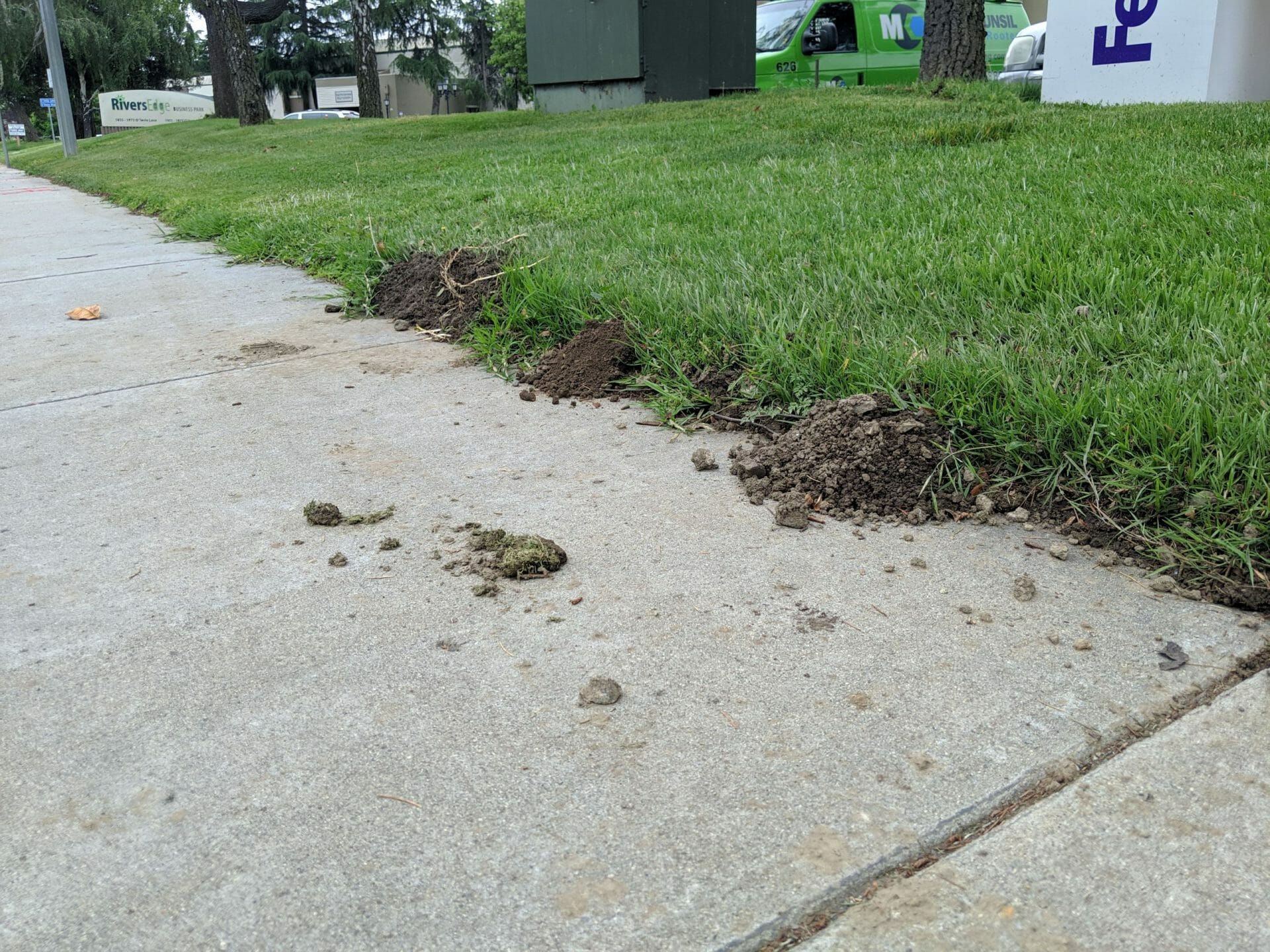
A very common concern from homeowners who have just paid for mole removal is: will they come back? The honest answer is that it depends on the conditions in your yard. Removing a mole solves the immediate problem, but it does not guarantee a mole-free future. Here is why moles return and what you can do about it.
Why New Moles Might Move In
Removing a mole eliminates the individual animal, but it does not change the conditions that attracted it in the first place. If your yard has moist soil full of earthworms and grubs, it will remain attractive to any mole that wanders into the area. Overland Park's well-maintained, irrigated lawns are prime mole habitat.
The Role of Abandoned Tunnels
A new mole might find and use the existing tunnel network left by the previous occupant. Moles are territorial, so while the original mole is gone, a new one may move in and take over the ready-made tunnel system. This makes it seem like the same mole returned, even though it is a new pest.
How to Prevent Future Mole Infestations
There are practical steps you can take to prevent future mole infestations. A grub control treatment applied to the lawn in spring or early summer reduces the food supply that attracts moles. Avoiding overwatering the lawn reduces earthworm populations near the surface. Some homeowners also use underground wire mesh barriers around garden beds to protect specific areas.
Partner with a Mole Exterminator in Overland Park
Frontier Trapper can help monitor your property and respond quickly if new mole activity appears in Johnson County, KS. We offer a satisfaction guarantee to give you peace of mind. Contact us today to learn more about our mole prevention services.