Groundhog Removal in Overland Park, KS

Groundhog Removal in Overland Park, KS

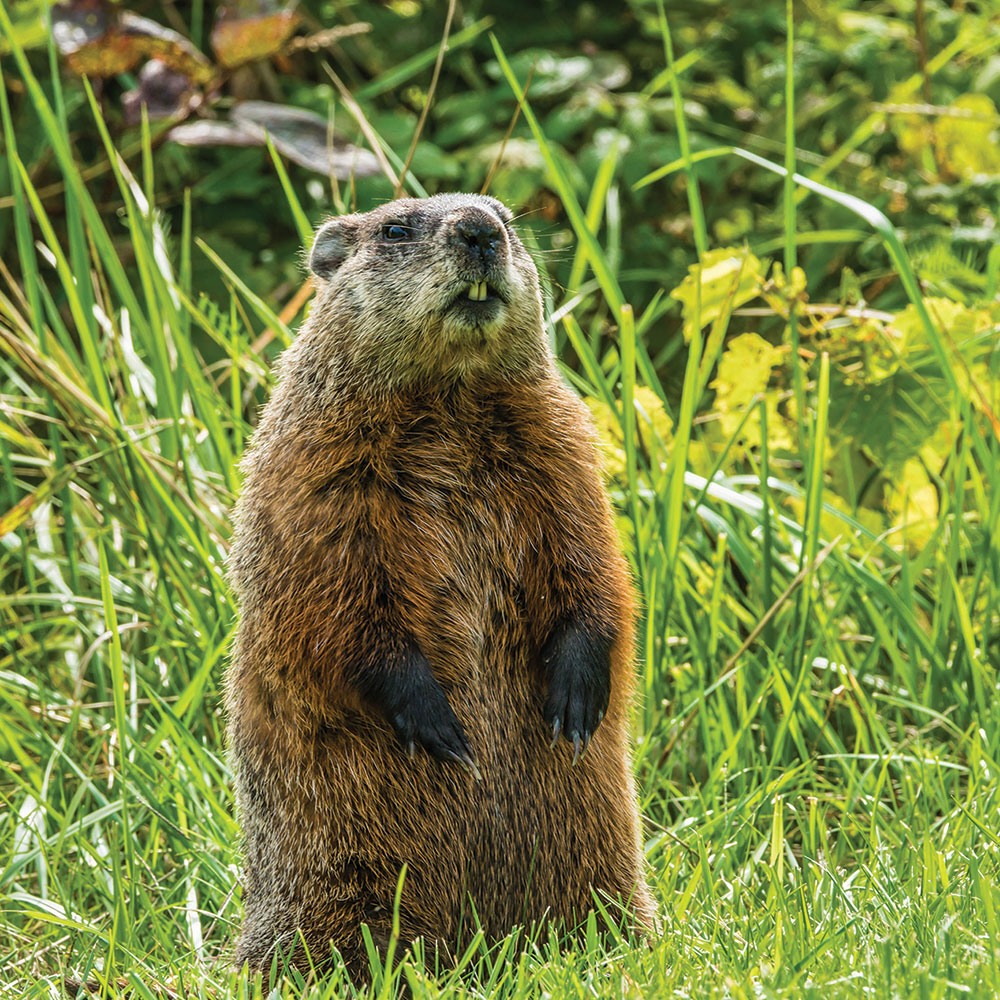
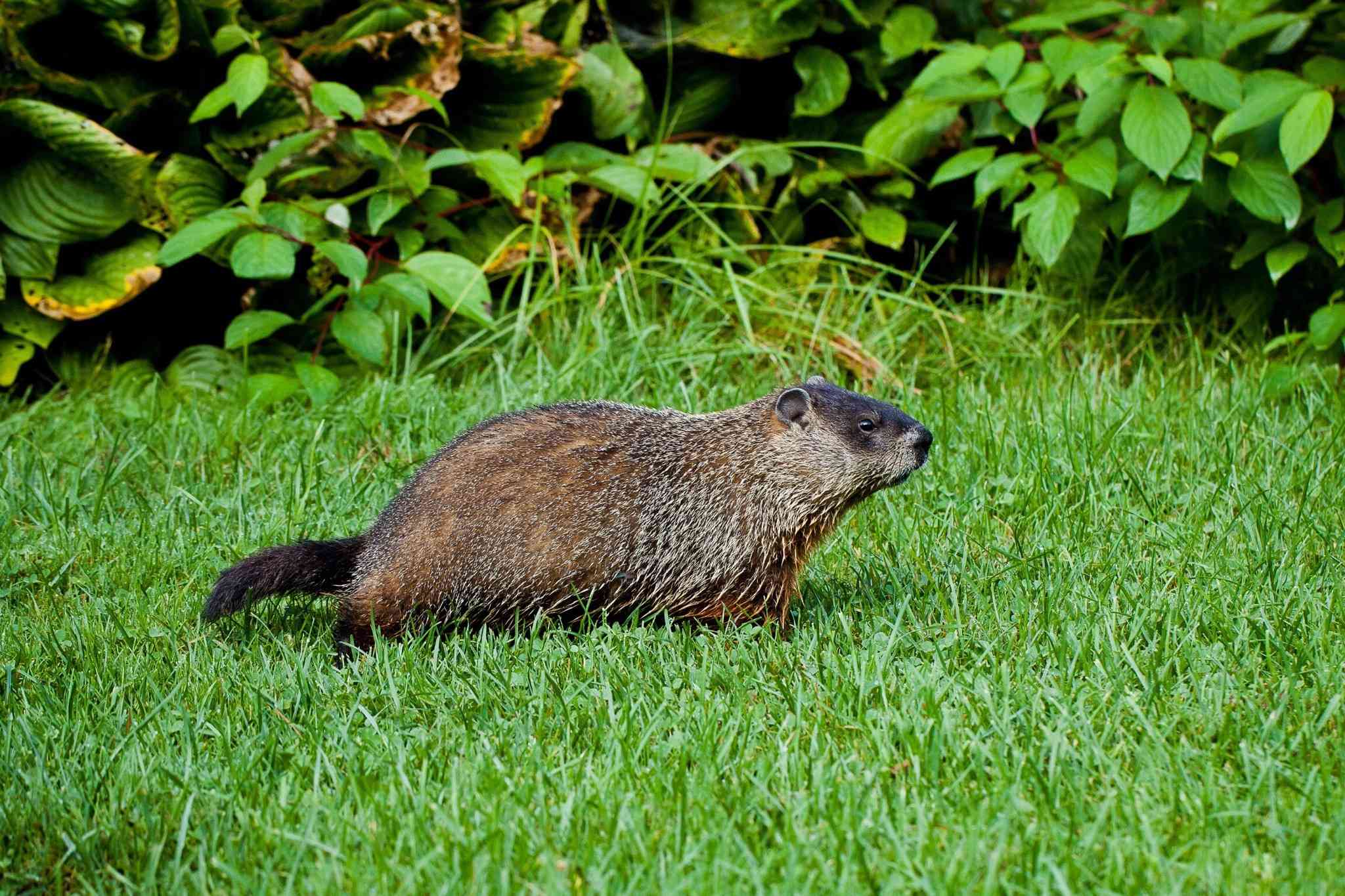
A large hole near a deck, shed, garden, or fence may mean a groundhog has moved in. Groundhogs are also called woodchucks. They dig burrows for shelter and can disturb soil where you need it to stay firm. Frontier Trapper helps Overland Park homeowners identify groundhog activity and choose a clear next step.

Groundhogs may feed in vegetable gardens and landscaped beds. They can also burrow under sheds, fences, sidewalks, and other low structures. The right plan depends on where the burrow is, how active it is, and what needs protection around it.

Signs You May Have a Groundhog in Your Overland Park Yard
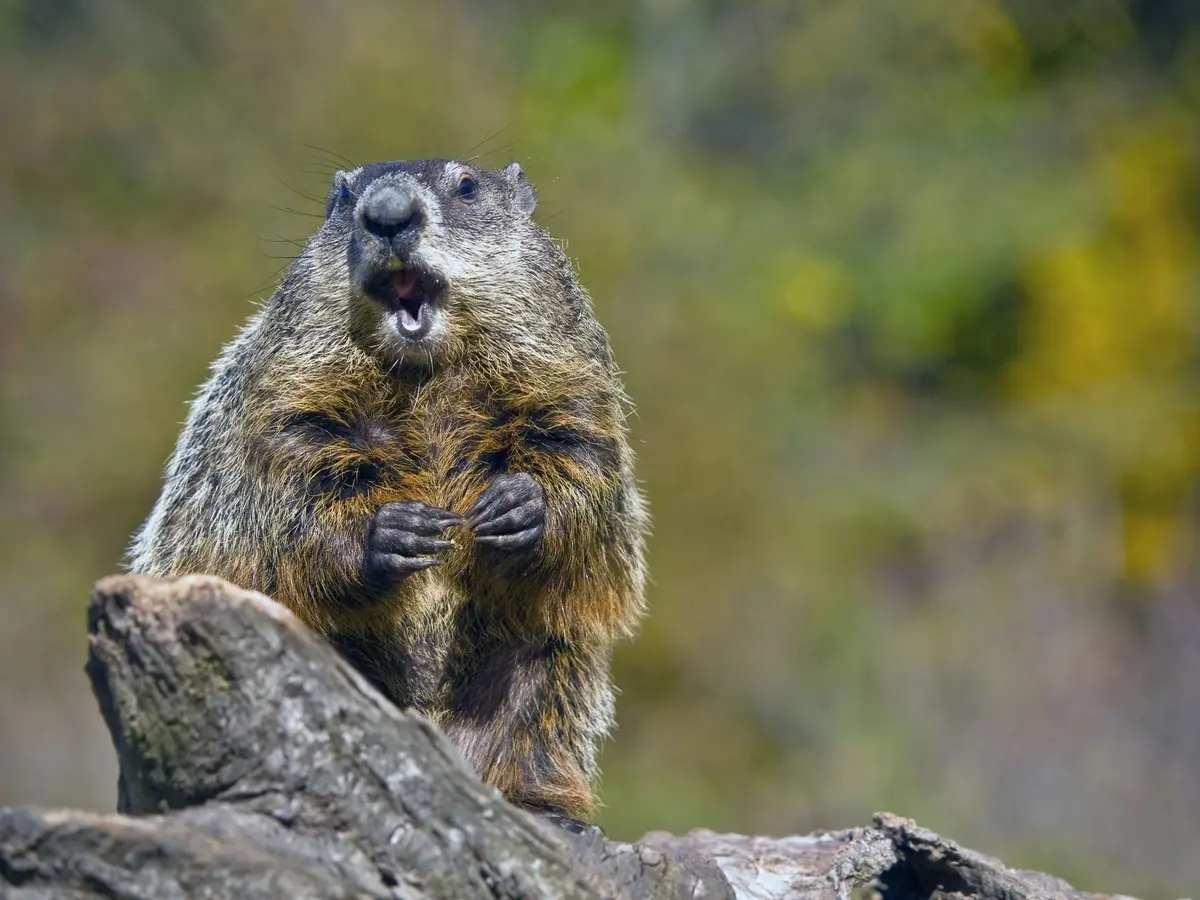
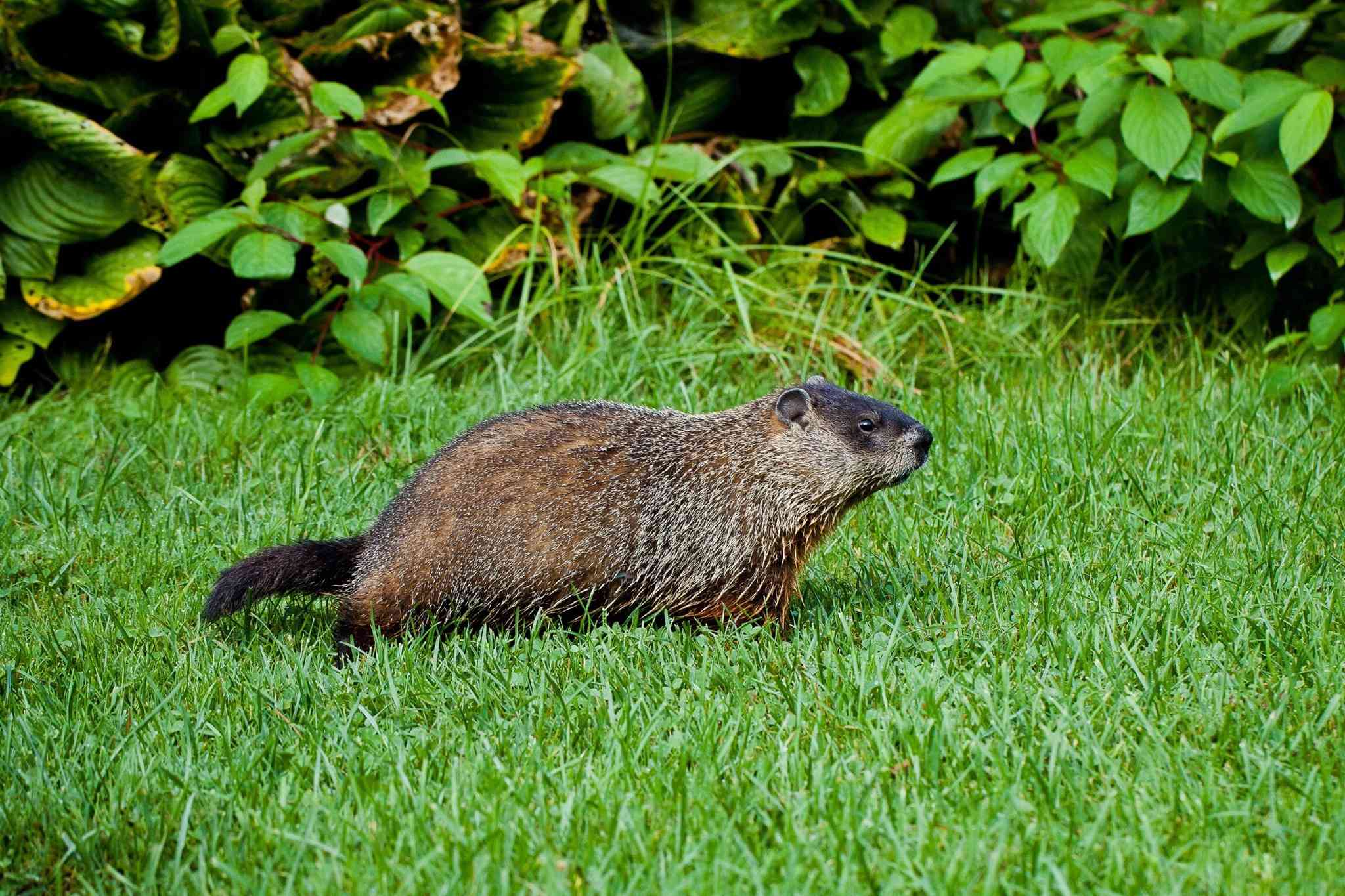
Groundhog near a burrow in an Overland Park yard

Look for burrows and feeding damage

Groundhogs are often active during the day. You may see one near a burrow entrance, find fresh soil outside a large opening, or notice damage in a garden. An inspection can help tell the difference between a groundhog burrow and other holes in the yard.
A large opening with fresh dirt near a deck, shed, fence, or garden.
Ground that looks uneven, loose, or hollow around a low structure.
Vegetables, leafy plants, or flowers that are being eaten or damaged.
A groundhog seen moving through the yard or feeding near the same area.

Why Groundhog Burrows Need Attention

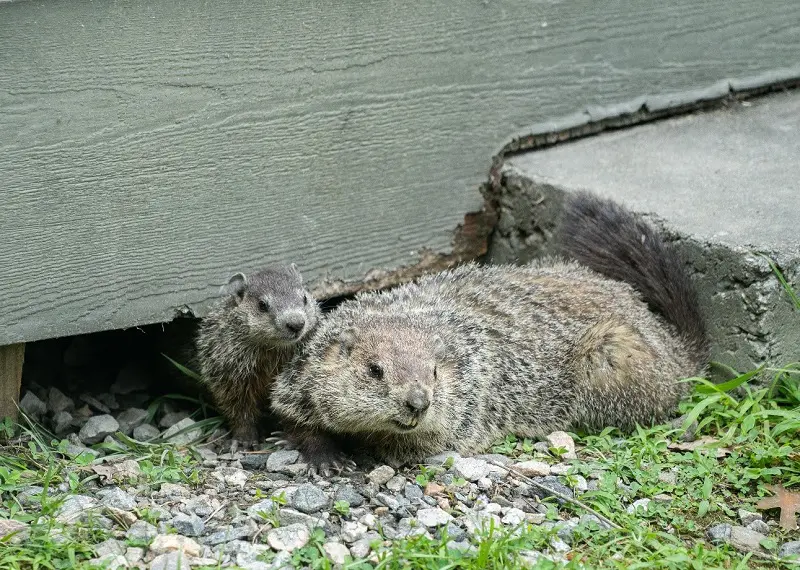
Groundhog burrow activity near a structure

The concern is often below the surface

A visible hole is only part of the issue. Burrows can run below landscaping or structures and may make the soil less stable. When the activity is near a deck, shed, sidewalk, foundation, or garden, early assessment helps you decide what needs to be protected before damage spreads.

Our Groundhog Removal Process

Groundhog removal property inspection

1. Inspect the property and identify the active area
We look at the burrow area, nearby structures, feeding damage, and likely travel paths. This helps us understand what is active and what needs to be protected.
Professional groundhog removal service

2. Build a removal plan for the property
Groundhog removal should fit the property, the season, and the location of the burrow. We explain the recommended approach before work begins and handle the process in line with applicable wildlife rules.
Groundhog damage prevention near a foundation

3. Help protect the burrow area after activity ends

Once active groundhog activity has been addressed, we can discuss practical next steps for the area. Depending on the location, this may include closing access beneath a structure or adding a barrier that helps protect the space from another burrowing problem.

Groundhog Prevention for Decks, Sheds, Gardens, and Fences

Prevention works best when it is tied to the exact part of the yard a groundhog is using. A barrier below a fence line or around the perimeter of a deck may help reduce access where it makes sense. K-State Extension notes that groundhogs can dig beneath fences and sheds, so a plan should address both the visible opening and the path around it.

What Affects Groundhog Removal Cost?

The cost depends on the location of the burrow, the number of active areas, access around the property, and whether prevention work is needed after removal. A groundhog under a simple shed is a different scope than one near a foundation, deck, garden, or fence line. An inspection gives you a clearer plan than a price guess over the phone.

Get a Clear Plan for a Groundhog Problem

If you have fresh dirt piles, large holes, garden damage, or a groundhog near a structure, Frontier Trapper can inspect the area and explain what to do next. Our Overland Park team can help you address the current activity and protect the part of the property that matters most.

Frequently Asked Questions

Find answers to common questions about our wildlife trapping and removal services

Yes. Groundhog and woodchuck are two common names for the same animal. Both names are used in Kansas and around Overland Park.
Look for a large opening with fresh soil nearby, often close to a deck, shed, fence, garden, or other covered area. An inspection can confirm whether the hole is active and what animal is using it.
Groundhog burrowing can disturb the soil under and around low structures. If a burrow is near a deck, shed, sidewalk, or foundation, it is best to have the area assessed before it becomes a larger property concern.
Some groundhogs move on, but a burrow near a structure or garden can remain an ongoing concern. An inspection helps determine whether the activity is current and what option fits the property.
The approach depends on the location, season, animal activity, and property layout. Professional removal plans should follow applicable wildlife rules and address the active area before prevention work begins.
The best prevention method depends on the structure and the groundhog path. A buried barrier or protected perimeter may help where appropriate, but it should be installed after active activity is addressed so an animal is not trapped inside.
Cost depends on access, the number of active burrows, where the activity is located, and whether prevention work is needed. An inspection gives you a service plan and estimate based on the property.

Get a Groundhog Removal Assessment

Call Frontier Trapper to discuss a groundhog burrow, garden damage, or activity near a deck, shed, fence, or foundation in Overland Park.

Call Now 816-914-8660