

Finding Pill Bugs Indoors? Here's What It Really Means
If you're sweeping up little gray "roly-polies" along your baseboards, in the basement, or by the back door, the good news is they can't hurt you, your family, or your home. The more useful news: pill bugs indoors are almost always a sign of moisture. They don't want to be in your house — they wander in from damp soil and mulch at the foundation, then dry out and die within a day or two. That's why spraying the inside of your home rarely fixes anything. The pill bugs you can see are already on their way out; the ones you can't see are still outside in the damp soil, ready to replace them.
Lasting pill bug control in Overland Park comes from correcting the moisture conditions at your foundation and sealing the ground-level gaps these crustaceans crawl through. Frontier Trapper takes an exclusion-first approach rather than defaulting to repeated chemical treatments. Below is exactly what pill bugs are, why Overland Park homes attract them, what removal costs in our area, what you can do yourself, and how we get rid of them for good.
What Are Pill Bugs? (They're Not Even Insects)
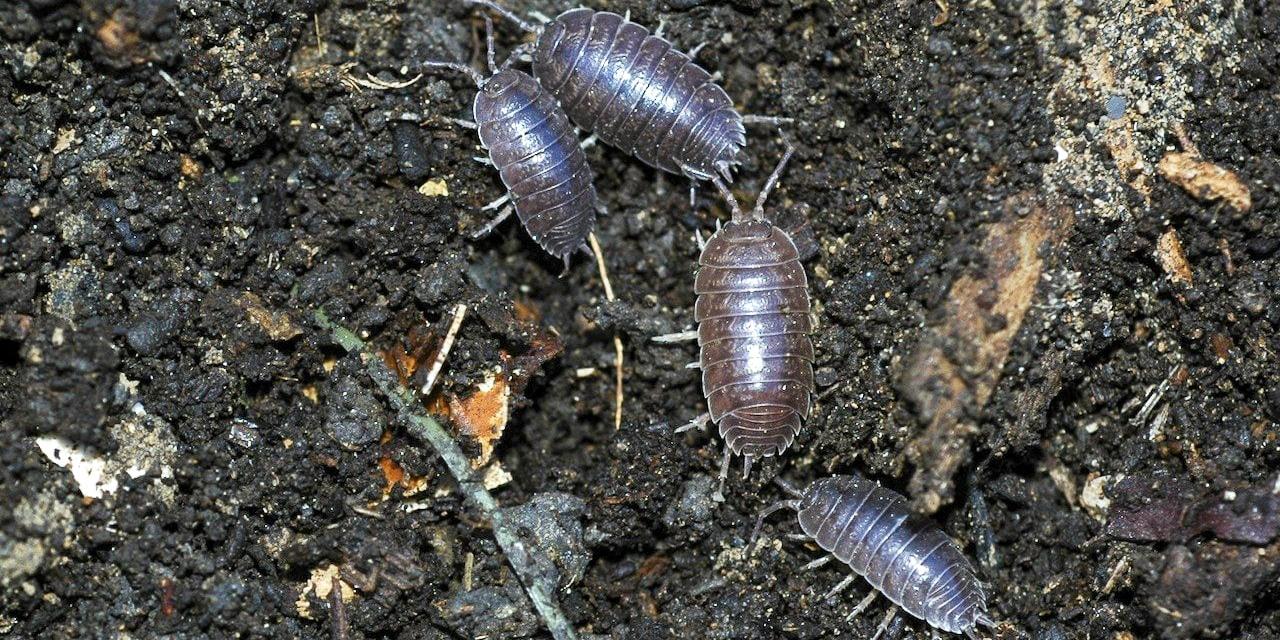
Pill bugs (Armadillidium vulgare) are terrestrial crustaceans — land-dwelling isopods far more closely related to shrimp, crabs, and crayfish than to ants or beetles. That single fact explains everything about how to control them: like their aquatic relatives, pill bugs breathe through gill-like structures and need constant humidity to survive. Move one into a dry environment and it suffocates and desiccates in a matter of days. Moisture isn't just something pill bugs prefer — it's something they physically cannot live without.
A few quick identifiers:
Here's the part most pest pages leave out: outdoors, pill bugs are genuinely beneficial. They're decomposers that break down decaying leaves, grass clippings, and rotting wood and recycle those nutrients back into the soil. They even help pull heavy metals out of contaminated ground. The problem is never the pill bug itself — it's location. When their damp, decaying habitat sits directly against your foundation, a percentage of them will always end up indoors. Solve the habitat, and you solve the invasion.
Why Overland Park Homes Attract Pill Bugs
Overland Park and the wider Johnson County area create close-to-ideal conditions for pill bugs, which is why they're among the most common occasional invaders we see in local homes.
The Climate Swings
Overland Park sits where humid and continental climates meet, producing wet, storm-heavy springs followed by hot, dry summer stretches. Pill bugs migrate hardest at both extremes. A soaking spring storm saturates the soil and drives them up toward foundations and patios; a dry July pushes them to hunt for the cool, moist refuge of a basement or crawl space. Our weather practically schedules two pill bug surges a year.
The Landscaping Style
The mulched beds, dense foundation plantings, and decorative stone that make Johnson County yards look great are exactly what pill bugs want — shaded, damp, organic, and conveniently located right against the house. A thick mulch ring around the foundation is a pill bug superhighway to your door.
The Home Construction
Many area homes have basements, walkout lower levels, or crawl spaces that hold humidity, plus brick or stone veneer with weep holes near grade. Those weep holes, along with the gaps under exterior doors and expansion joints where the patio meets the foundation, give pill bugs an easy ground-level path indoors.
None of this means your home has a problem — it means the surrounding conditions favor pill bugs, and that the fix is environmental, not a matter of how clean your house is. Spotless homes get pill bugs just as readily as cluttered ones, because the draw is entirely outside.
Signs of a Pill Bug Problem
:max_bytes(150000):strip_icc()/GettyImages-2148426519-c1554dd724584329848204fba70a44c7.jpg)
What the Volume and Location Tell Us
Are Pill Bugs Dangerous?
No. Pill bugs don't bite, sting, or transmit disease. They don't damage your home's structure, chew wiring, or contaminate stored food the way termites, rodents, or pantry pests do. They aren't toxic if a curious pet eats one. In gardens and greenhouses, very large populations will occasionally nibble tender seedlings or soft fruit resting on damp soil, but inside a home they're purely a nuisance.
The real value of professional control isn't eliminating a danger — it's resolving the moisture and entry conditions the pill bugs are pointing to. Those same damp foundations and unsealed gaps are what invite more destructive pests, so fixing them for pill bugs protects you against bigger problems down the line.
How Pill Bugs Get Into Your Home
Pill bugs are ground-level invaders. They don't fly and they don't climb well, so nearly every entry point is at or near where the foundation meets the soil:
Knowing this is what makes exclusion so effective. A handful of dollar-store door sweeps, a tube of sealant, and some weep-hole screening can close off the great majority of access points — which is why a thorough inspection that maps these gaps is worth far more than another round of spray.
How Much Does Pill Bug Removal Cost in Overland Park, KS?
Pill bugs are classified as an "occasional invader," so control is typically handled as part of a perimeter pest treatment rather than a specialty job. In the Overland Park and Johnson County market, expect costs to fall in these general ranges:
Estimates for a typical 1,600–2,000 sq ft home; larger homes generally add 10–15%. Pricing varies with infestation severity, foundation length, and access. Any drainage or moisture remediation is quoted separately.
One-time vs. recurring service. A single treatment knocks down the current population and buys relief for weeks, which is often enough if you catch a small surge early. A recurring quarterly plan is the better value for homes that flare up every spring and fall, because it puts a fresh barrier in place right before each migration rather than reacting after pill bugs are already inside. Many Overland Park homeowners on quarterly general-pest plans find pill bugs covered automatically, since the same perimeter service handles ants, spiders, and other occasional invaders at the same time.
What actually moves the price:
The most accurate number always comes from a quick on-site inspection. Frontier Trapper provides a no-obligation estimate for Overland Park homes, and we're upfront when the smart fix is cheaper than a treatment plan.
Our Pill Bug Control Process
Pill bugs are a moisture-and-entry problem, so we treat the cause, not just the symptom. Our four-step process is built to deliver results that hold through the seasons.
1. Thorough Inspection
We walk your full foundation, entry points, and damp zones to find both where pill bugs are getting in and what's keeping them comfortable — mulch piled against the siding, weep holes, gaps under doors, expansion-joint cracks, downspouts dumping water at the wall, or a humid basement or crawl space. This map of conditions and access points is what every later step is built on, and it's the difference between a fix and a guess.
2. Moisture & Habitat Correction
This is the step most companies skip, and it's the one that makes pill bug control last. We identify the conditions feeding the problem and lay out practical corrections: pulling mulch and leaf litter back into a dry buffer zone against the foundation, improving grading and drainage so water flows away from the house, clearing gutters and extending downspouts, and reducing humidity in basements and crawl spaces. Take away the dampness and you take away the reason pill bugs are gathering at your wall in the first place.
3. Targeted Perimeter Treatment
Where treatment is warranted, we apply a residual barrier around the foundation, entry points, and harborage areas — concentrated on the outside, where the pill bugs actually live. Indoors, there's rarely any reason to spray: the pill bugs you see inside are already dying, and a vacuum handles them cleanly. Keeping treatment focused and exterior means a more effective barrier with less product used inside your living space.
4. Exclusion & Prevention
Finally, we seal the ground-level gaps pill bugs use to get in — installing door sweeps, sealing thresholds and foundation cracks, and screening weep holes and low vents. This is the work that turns a one-time knockdown into long-term control, and the same sealing keeps out the more damaging pests that exploit the very same openings.
What You Can Do Yourself
Professional treatment works best alongside a few simple homeowner habits. Even between visits, these steps meaningfully reduce pill bug pressure:
A Year-Round Pill Bug Calendar for Overland Park
Why Choose Frontier Trapper for Pill Bug Control?
Frontier Trapper is a locally owned, woman-owned, licensed and insured company that knows Overland Park homes and Johnson County's wet-spring, dry-summer swings. We lead with inspection and exclusion rather than defaulting to heavy chemical use, we use treatments that are safe for your family and pets when applied correctly, and we'll happily tell you when a twenty-dollar door sweep will outperform a spray. We see our customers as neighbors, not accounts, and our goal is a home that stays pill-bug-free season after season — not a recurring problem that needs endless treatments. The same exclusion work that stops pill bugs also tightens your home against the bigger pests we handle, so you get protection that goes well beyond the roly-polies.
Get Rid of Pill Bugs in Overland Park Today
Stop sweeping up roly-polies and fix the cause. Frontier Trapper will inspect your home, pinpoint the moisture and entry points feeding the problem, and build a control plan that keeps pill bugs out for good — backed by the exclusion work that protects against bigger pests, too. Call (816) 914-8660 or request your inspection today.
Frequently Asked Questions
Find answers to common questions about our wildlife trapping and removal services
Get a Fast Estimate to Reclaim Your Home Today!
Stop sweeping up roly-polies and fix the cause. Request your inspection today.
Call Now 816-914-8660