

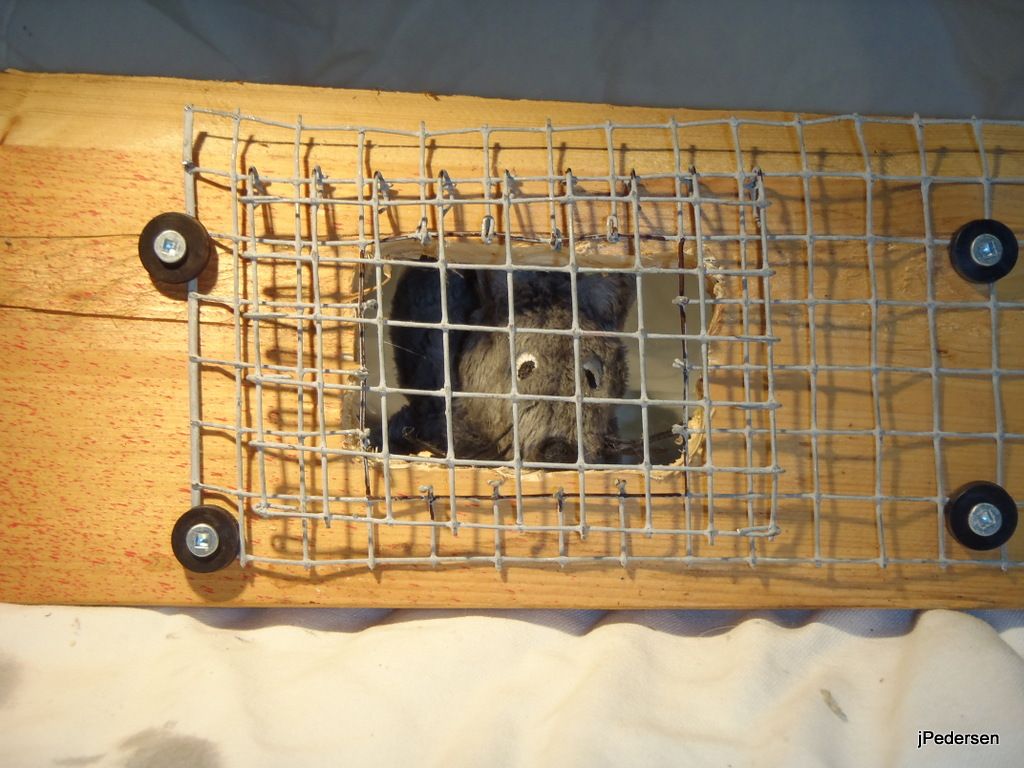
When You Have Wildlife in Your Home, One-Way Door Installation Is the Answer
One-way door installation is the most effective and humane method for permanently removing wildlife.
Quick process:
- Find the animal's primary entry and exit point
- Seal all other openings with chew-proof materials
- Mount a one-way door over the main hole
- Wait 5–7 days of no activity
- Permanently seal the final opening
The animal leaves on its own—and can't get back in. Works for bats, squirrels, raccoons, rats, and more.
The catch: Install wrong or at the wrong time of year, and you could trap animals inside, cause serious damage, or break the law.
Understanding One-Way Doors for Humane Wildlife Exclusion
A one-way door is a mechanical "check valve" for animals. Mounted over a wildlife entry point, it allows the animal to leave but prevents re-entry. This is the gold standard—eliminating trapping stress and relocation mortality risk.
When an animal leaves to find food or water, it pushes through the door. A spring-loaded or gravity flap snaps shut behind it. Returning animal tries to push back in—unyielding.
Target Animals for One-Way Devices
- Bats: Small exclusion tubes or "cones"
- Squirrels: Torsion-spring doors, 3x3 or 5x5 inch
- Raccoons: Heavy-duty, reinforced doors (usually 8x8 inches)
- Rats and chipmunks: Smaller, sensitive repeating doors
How the Mechanism Prevents Re-entry
Torsion springs provide just enough resistance to keep doors shut without trapping. Funnel systems made of hardware cloth use angled wire ends—animals can't find purchase to pull the funnel open from outside. Raccoon doors require heavy-gauge galvanized steel.
Preparing for One-Way Door Installation
The Maternity Check (April–August)
Critical: In Kansas City Metro, from April to August, many animals have flightless young. Installing a one-way door then—mother gets out, babies trapped inside. Two disasters:
- Babies die (causing odor and flies)
- Mother tears your roof apart trying to get back
Identifying Entry and Exit Points
- Guano and stains: Bats leave oily dark rub marks and brittle droppings
- Chewed wood: Squirrels and rats leave teeth marks around hole edges
- Pheromone trails: "Smudge marks" on siding = rodent highway
- The "two-finger" rule: Bat gap = pinky finger size; squirrel hole = 2+ inches
Essential Tools and Materials
- Measurement: Tape measure and 4-foot level
- Access: Pry bar for old trim or damaged fascia
- Sealing: All-weather caulk
- Hardware: 1/4 inch or 1/2 inch galvanized hardware cloth
- Fasteners: Galvanized screws that won't rust
Step-by-Step Guide to One-Way Door Installation
Choosing the Right Device for One-Way Door Installation
- Exclusion tubes: Best for bats (clear flight path)
- Spring-loaded doors: For squirrels and raccoons
- Repeater traps: Specialized one-way doors leading to holding area
Mounting and Securing the Excluder
- Seal the "back doors" first: Most common mistake. Seal every other possible entry point before installing the one-way door
- Position the device: Directly over primary hole, flanges flush against building
- Secure with power: Drill with pre-drilled holes; 3-inch screws rock-solid
- Check the flap: Swings freely outward, stops abruptly when pushed inward
Finalizing Your One-Way Door Installation
Use light "encouragement"—peanut butter on the outside of the door frame helps squirrels find the exit.
Monitoring period: 5–7 days. Listen for bumping sounds or re-entry attempts. Use a "soft plug"—wadded paper or flour dust in entry—to see if anything has moved through.
Common Mistakes and Legal Considerations
Avoiding the Trap of Maternity Season
April to August is off-limits for most one-way door installations. Trapping flightless pups (bats) or kits (raccoons) inside leads to starvation, a massive biohazard, and frantic mother destruction.
Legal Protections for Protected Species
In Kansas and Missouri, bats are protected by state and federal laws. Because they eat thousands of mosquitoes nightly, it's often illegal to kill, poison, or relocate them. The only legal way to remove bats: professional exclusion with one-way devices outside the maternity window.
Post-Exclusion Cleanup and Permanent Sealing
Sealing Entry Points for Good
- Steel mesh: Replace temporary door with galvanized steel mesh
- Structural repair: Wood filler for trim gaps, sanded and painted
- Metal flashing: For corners and eaves—bite-proof barrier
Attic and Crawl Space Remediation
- Decontamination: Professional enzyme cleaners neutralize pheromones
- Insulation replacement: Animals flatten or soil insulation, ruining R-value
- Repairing damage: Chewed wires, ripped vapor barriers—trapping is only step one
How long should I leave a one-way door in place?
5–7 days of mild weather typically. Cold or rain may extend the wait. Never seal the hole until at least three consecutive days of zero activity.
Can I use a one-way door for a mother raccoon with babies?
No. Wait until babies are mobile (usually 8–12 weeks old) and exiting on their own. Excluding the mother causes thousands in damage as she tries to return.
What happens if an animal gets stuck inside the door?
Usually from wrong size or poor maintenance. Must be removed manually immediately. Why professional installation matters—devices perfectly calibrated per species.
Conclusion
One-way door installation is the smartest, most humane approach to wildlife invasion. Animals leave on their own terms; perimeter gets secured. From species identification to maternity season laws in Johnson County, Frontier Trapper provides same-day service and 100% satisfaction guarantee across Kansas City Metro.