

Why Groundhogs Are a Bigger Problem Than You Think
How to get rid of groundhogs naturally is something thousands of homeowners search for every year—and for good reason. These stocky, determined diggers can destroy a vegetable garden overnight and undermine your deck or foundation before you even notice they've moved in.
Here's a quick answer:
- Sprinkle used kitty litter near burrow entrances to mimic predator presence
- Apply Epsom salt or cayenne pepper around garden edges and plants
- Spray a castor oil mixture (1/2 cup castor oil + 2 cups water) in and around burrows
- Install proper fencing — at least 3 feet high, buried 12 inches deep with an outward-bent base
- Use motion-activated sprinklers to startle and deter groundhogs
- Remove attractants like tall grass, woodpiles, clover, and fallen fruit
- Seal empty burrows with crushed stone between July and September
Groundhogs—also called woodchucks—weigh between 5 and 13 pounds and measure up to 22 inches long. Don't let their waddling fool you. Their burrows can stretch up to 50 feet long, with multiple entrances, and cause serious structural damage to yards, decks, and foundations.
Identifying Groundhog Activity and Damage
Physical Characteristics
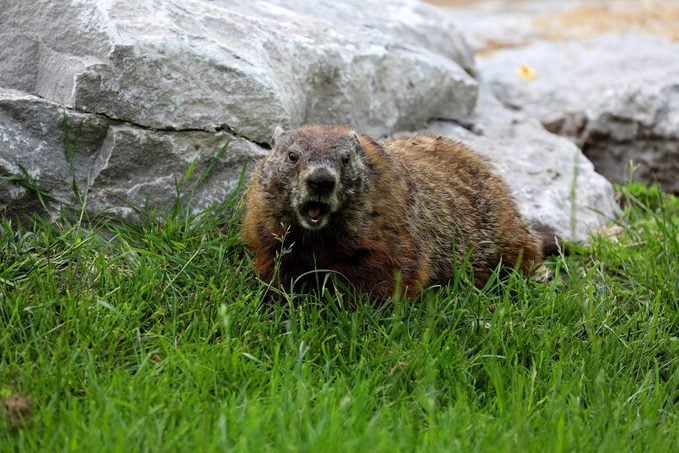
Groundhogs (Marmota monax) are the largest members of the squirrel family. Squarish, stocky animals weighing 4–14 pounds, growing to about 3 feet long including tail. Coarse gray-brown fur, short bushy tails, small ears. Their defining features: short, powerful legs and large, chisel-like front teeth designed for constant gnawing.
Signs of Activity
Groundhogs are active during the day, particularly in early morning and late afternoon. Look for:
- Burrow entrances: 10–12 inches wide with large mounds of excavated dirt outside
- Multiple exits: A single burrow system can be 50 feet long with a main entrance and "spy holes"
- Plant damage: Strict herbivores—alfalfa, clover, peas, beans, lettuce, broccoli are prime targets
- Claw and teeth marks: On lower trunks of fruit trees or corners of wooden decks
How to Get Rid of Groundhogs Naturally Using Scent and Taste
Predator Scents: The Power of the Litter Box
Used kitty litter is one of the most effective natural repellents. The scent of cat urine sends a clear "stay away" signal. Pro tip: Only apply to one or two holes, leaving one exit scent-free so the animal has a clear escape path.
Taste Deterrents
- Cayenne pepper: Sprinkle on leaves of targeted plants
- Epsom salt: Apply around garden perimeter (good for soil, too)
- Castor oil spray: 1/2 cup castor oil + 2 cups water sprayed near burrows
Natural Plant Barriers
Strong-smelling herbs groundhogs avoid: lavender, mint, sage, rosemary, garlic, chives.
Effective Household Remedies to Get Rid of Groundhogs Naturally
- Human hair clippings: Get from local salons—scatter near burrows
- Blood meal: Organic fertilizer that signals predator presence
- Soiled laundry: Old sweaty gym clothes reinforce human presence near burrows
Methods to Avoid
- Ammonia: Can cause respiratory damage or blindness—toxic to soil and pets
- Mothballs: Largely ineffective and leach toxic chemicals into groundwater
- Agricultural lime: Burns paws and eyes—not humane
When to Seek Help to Get Rid of Groundhogs Naturally
Call professionals if a groundhog has established a burrow under your foundation (structural risk). While rare, groundhogs can carry rabies—signs include wandering in circles or unprovoked aggression.
Physical Barriers and Habitat Modification
Habitat Modification
- Mow regularly — groundhogs hate being exposed
- Clear debris — remove woodpiles, brush heaps, overgrown bushes
- Clean up fruit — pick up fallen apples or peaches daily
- Secure compost — use a closed bin
Fencing Done Right
- At least 3 feet high
- Buried 12 inches underground
- Outward "L-bend" at the bottom
- For raised beds, wrap base in hardware cloth
Humane Trapping and Structural Protection
The "Have-a-Heart" Approach
- Baiting: Cantaloupe, corn, or fresh lettuce
- Placement: Near burrow entrance or along their garden path
- Timing: Late winter or early spring, before offspring
- Check frequently: At least every 24 hours (ideally every 12)
Relocation Laws
Strict laws exist in Johnson County and Wyandotte County. If legal, relocate 5–10 miles away to a wooded area with water.
Protecting Structures
- Verify burrow is empty: Stuff with newspaper or grass; if undisturbed for 3–5 days, it's empty
- Seal with crushed stone — dirt is too easy to redig
- Install hardware cloth 12 inches deep with outward "L" bend
High-Tech Natural Deterrents
- Motion-activated sprinklers: Sudden hiss and spray startles without harm
- Ultrasonic devices: High-frequency sound annoying to rodents, silent to humans
What is the most effective natural groundhog repellent?
What is the most effective natural groundhog repellent?
Used kitty litter is the most effective scent-based repellent because it triggers predator fear. For specific plants, a cayenne pepper and water spray is the most effective taste deterrent.
When is the best time of year to address a groundhog problem?
When is the best time of year to address a groundhog problem?
The "sweet spot" is July to September. Young have left the nest and are independent, but adults haven't started winter hibernation. Spring removal risks orphaning a litter.
Can groundhogs damage my home's foundation?
Yes. A single groundhog can remove hundreds of pounds of soil. Burrows along foundation walls let water pool, causing erosion, cracks, and eventually structural failure.
Conclusion
Getting rid of groundhogs naturally is a journey of persistence. By combining scent deterrents, habitat modification, and proper physical barriers, you can reclaim your yard humanely. At Frontier Trapper, we pride ourselves on being the Kansas City Metro's experts in permanent, eco-friendly wildlife solutions—same-day service, 100% satisfaction guarantee.