

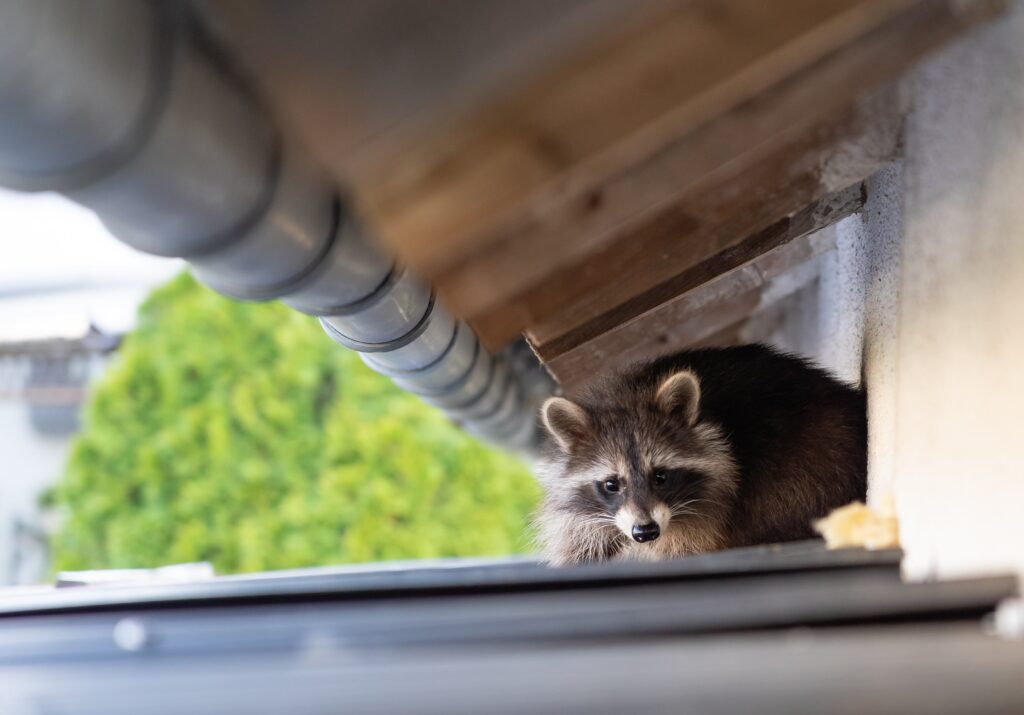
Why Humane Wildlife Removal Matters for Your Home and Family
Humane wildlife removal protects both your property and the animals themselves through ethical, non-lethal methods that address the root cause of intrusions. Unlike traditional extermination, humane approaches focus on exclusion, one-way doors, and habitat modification to resolve conflicts permanently while treating animals with respect.
Quick Answer: What Makes Wildlife Removal Humane?
- Non-lethal methods like live trapping and exclusion instead of killing
- Family-conscious practices that reunite mothers with offspring
- Root cause solutions that seal entry points and eliminate attractants
- Compliance with laws governing wildlife protection and relocation
- Permanent prevention through repairs and habitat modification
When wildlife invades your home, it creates more than just noise and mess. Raccoons tear through insulation, squirrels chew electrical wires, and bats leave dangerous droppings that affect your family's health. The stress is real, and you need it solved fast.
But here's what many homeowners don't realize: killing or relocating animals rarely solves the problem long-term. According to industry data, 48% of pest management professionals now use live trapping as their primary method, while 35% prioritize exclusion techniques.
The core principle is simple: most wildlife problems are actually building problems. That hole in your roof, the unsealed vent, or the accessible trash—these are what attract animals in the first place. Remove the animal without fixing the entry point, and you'll have a new tenant within weeks.
What Defines Humane Wildlife Removal?
At its core, humane wildlife removal is a philosophy that views humans as part of nature rather than separate from it. This practice involves resolving conflicts using the most gentle techniques possible. It isn't just about "not killing" an animal; it's about a holistic, ecology-based approach that prioritizes animal welfare, public safety, and long-term structural integrity.
The Ethics of Animal Welfare
The ethical side of our work focuses heavily on family units. One of the most heartbreaking consequences of conventional pest control is the orphaning of offspring. If a mother raccoon is trapped and hauled away, her kits are left to starve in your soffits, creating a secondary (and much smellier) problem. Ethical removal involves "reunion" strategies, ensuring mothers can retrieve their young and move them to a secondary den site outside your home.
Legal and Regulatory Aspects
Wildlife removal is governed by strict state laws and federal guidelines. In the Kansas City Metro, specific regulations apply to "rabies vector" species like raccoons, skunks, and bats. Some states have strict rules about where and if an animal can be relocated. For a truly humane provider, euthanasia is always the absolute last resort.
Identifying Signs of Wildlife in Your Home
You usually hear them before you see them. Whether it's the 2 AM "thump-drag-thump" of a raccoon or the frantic morning scurrying of squirrels, noise is the #1 indicator.
Common Nuisance Species
In Overland Park and surrounding areas, we primarily deal with a "Big Five":
- Raccoons: "Trash pandas" that can rip through shingles or heavy mesh
- Squirrels: Known for gnawing—they can turn a tiny gap into a highway
- Bats: Found in attics or behind shutters; vital to our ecosystem but dangerous in living spaces
- Opossums: Generally docile but love to den under porches or decks
- Skunks: Famous for their scent; often burrow near foundations
Assessing Property Damage
- Chewed wires: Squirrels and mice gnaw electrical wires to keep their teeth sharp—a major fire hazard
- Torn insulation: Animals use your attic insulation as a litter box and mattress
- Structural integrity: Raccoons can tear open soffits and eaves, leading to leaks and mold
- Contamination: Droppings can carry parasites and diseases like Histoplasmosis or Roundworm
Effective Methods for Ethical Animal Control
The goal of humane wildlife removal is to solve the problem without the animal ever entering a cage if possible.
The Process of Humane Wildlife Removal
Three-step methodology:
- Inspection: Find every hole, from the size of a dime (for mice) to the size of a grapefruit (for raccoons)
- Eviction: Use "one-way doors"—devices that allow the animal to push their way out but prevent re-entry
- Sanitization and sealing: Once we're 100% sure the animals are out, we seal holes with heavy-gauge steel. We then sanitize the area to remove pheromones that might attract other animals
Benefits of Professional Humane Wildlife Removal
Choosing a professional service means you get a 100% satisfaction guarantee. We don't just "catch a critter"; we restore your peace of mind.
Preventing Future Wildlife Conflicts
Long-term Exclusion Strategies
Think of your home as a fortress:
- Vent guards: Sturdy metal covers for dryer, stove, and attic vents
- Chimney caps: A must-have to prevent raccoons and birds from nesting
- Underground fencing: L-shaped footer buried around decks or sheds to stop skunks and groundhogs
- Roofline repair: Ensuring the "drip edge" is secure and there are no gaps between roof and fascia
Homeowner Education and Maintenance
- Secure the trash: Locking lids or bins in the garage until morning
- Trim the trees: Keep branches at least 6–8 feet away from your roofline
- Remove food sources: Don't leave pet food outside overnight
- Regular inspections: Twice a year, walk around your home looking for new holes or chew marks
What should I ask a wildlife control company before hiring?
- "Do you provide a written estimate and photos of the entry points?"
- "What is your plan if there are baby animals present?"
- "Do you offer a guarantee on your exclusion work?"
- "Are you licensed and insured for wildlife work specifically?"
Why is relocation often considered a "death sentence"?
Many people think "dropping an animal off in the woods" is the kindest option. In reality, it's often fatal. Animals are territorial; if you drop a raccoon in a new forest, the resident raccoons will fight it. The relocated animal doesn't know where to find food, water, or shelter. During winter, this almost always results in starvation or exposure.
How do I know if a baby animal is truly orphaned?
Many "orphans" are actually just waiting for their parents.
- Fawns: Mothers leave them alone for up to 12 hours at a time
- Rabbits: Mothers only visit the nest twice a day
- Signs of a true orphan: The animal is covered in flies, vocalizing for hours, or is visibly injured or cold
Conclusion
Living in the Kansas City Metro means sharing space with some amazing wild neighbors. However, when those neighbors move into your attic or crawlspace, it's time to act. At Frontier Trapper, we believe you shouldn't have to choose between a critter-free home and your conscience.