
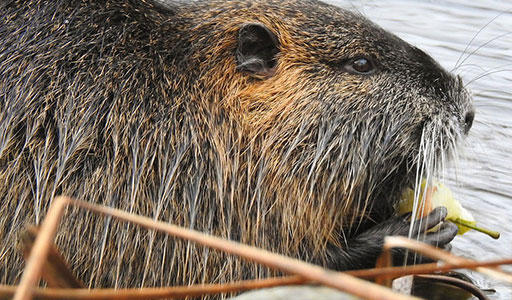
Beaver Removal & Control in Overland Park, KS

Beaver Removal & Control in Overland Park, KS

Rising Water, Felled Trees, and a Dammed Culvert? You Likely Have a Beaver

When a pond starts creeping over its banks, mature trees show up freshly gnawed at the base, or a road culvert plugs solid with sticks and mud overnight, the culprit is almost always a beaver. Beavers are North America's great engineers, and that instinct to dam moving water and stockpile wood is exactly what turns a quiet creek into a flooded backyard, a drowned tree line, or a washed-out driveway. Left alone, a single family of beavers can reshape the water on your property in a matter of weeks, and the damage compounds the longer it goes unaddressed.

Beavers are wildlife, not an insect problem, so there is no spray or chemical that solves this. Lasting relief comes from humane, licensed trapping, careful dam and water management, and habitat changes that make your property less inviting. Frontier Trapper handles beaver conflicts the right way: we remove the animals in compliance with Kansas wildlife regulations, breach dams safely, protect your trees, and manage the flooding so it stays gone. Below is how to recognize beaver activity, why Overland Park properties attract them, what removal costs locally, and how we resolve it for good.

What Beavers Do (and Why the Damage Adds Up)

A beaver's entire life revolves around controlling water. They dam flowing streams to create the deep, still ponds they feel safe in, build lodges for shelter, and fell trees both for food and for building material. Because their front teeth never stop growing, they must gnaw constantly, which means the tree loss on a property is relentless. Knowing what you are looking at helps you tell a beaver apart from muskrats, otters, or other water animals:

Large size. Beavers are the largest rodent in North America, commonly 35 to 65 pounds and up to about four feet long including the tail, far bigger than a muskrat.
A flat, paddle-shaped tail. The broad, scaly, hairless tail is unmistakable and is used for swimming, balance while gnawing, and slapping the water as an alarm.
Lodges and dams. Domed piles of sticks and mud in or beside the water are lodges; long ridges of sticks, logs, and mud across a stream or culvert are dams.
Mostly nocturnal. Beavers do the bulk of their cutting and building at dusk and through the night, so you often see the damage before you ever see the animal.
Tree-felling and gnaw marks. Cone-shaped or pencil-pointed stumps, wide chisel tooth marks, debarked trunks, and piles of wood chips at the base of trees near water.
Beaver with a flat paddle tail beside a stick-and-mud dam in Overland Park, KS

Know the Signs Before They Multiply

A beaver's flat paddle tail, chisel-like front teeth, and stick-and-mud dams set it apart from muskrats and otters. Spotting the sign early, before a dam raises the water and the tree loss spreads, is what keeps a manageable problem from becoming a flooded, damaged property.

Why Overland Park Properties Get Beavers

Overland Park and the wider Johnson County landscape offer beavers nearly everything they need. Suburban development here is threaded with creeks, ponds, and engineered drainage, and that mix of water and wooded banks is prime beaver country:

Ponds and lakes. Neighborhood, golf-course, and farm ponds give beavers the deep, calm water they build their lives around, along with easy access to bank vegetation.
Creeks and streams. Johnson County waterways like Indian Creek, Tomahawk Creek, and Blue River tributaries are natural travel corridors that beavers move up and colonize.
Stormwater retention and detention basins. The retention basins built into subdivisions and commercial sites hold standing water and are frequently dammed, which backs water up onto surrounding lots.
Wooded banks and mature trees. Cottonwood, willow, maple, and other soft-wooded trees along the water are exactly the food and building supply beavers seek out.
Year-round activity. Beavers do not hibernate. They stay active through every season, so an unaddressed colony keeps damming, gnawing, and expanding right through the Kansas winter.

Signs of a Beaver Problem

Gnawed and felled trees near water, with cone-shaped stumps, wide tooth marks, debarked trunks, and fresh wood chips at the base.
Dams of sticks, logs, and mud spanning a stream, ditch, or culvert, often appearing or growing overnight.
Rising or backed-up water, flooded yards, drowned trees, or a pond that keeps creeping past its normal edge.
A lodge or bank burrow, seen as a dome of sticks and mud in the water or slides and tunnels dug into the bank.
Mud slides and worn trails where beavers move between the water and the trees, sometimes 100 feet or more from the shoreline.
The sound of a tail slap, a sharp loud smack on the water surface, which is a beaver alarm as you approach.

One chewed sapling now and then is not a crisis, but multiple felled trees, a growing dam, or water rising where it never used to signals an established beaver presence that will keep expanding until the animals are removed and the water is managed.

Are Beavers Dangerous?

Beavers are not aggressive toward people and will almost always retreat to the water rather than confront you. That said, they are large wild rodents with powerful jaws and long, sharp incisors, and a beaver that is cornered, trapped, or protecting its lodge can bite and inflict a serious wound, so they should never be approached or handled. The bigger dangers are indirect. Their dams cause flooding that undermines foundations, driveways, and roads and drowns valuable trees, their felled trees can fall on structures or people, and the standing water they create can carry Giardia, a parasite sometimes called beaver fever that contaminates water and can make people and pets sick. The safest course is to keep your distance and let licensed professionals handle both the animal and the water.

How Beavers Damage Your Property

Beavers are second only to humans in their ability to reshape a landscape, and on a residential or commercial property in Overland Park that talent translates directly into costly damage:

Flooding from dams. By raising water levels, dams push water onto lawns, gardens, basements, agricultural land, and parks, and can wash out or undermine roads and driveways.
Blocked culverts and drainage. Beavers plug road culverts and storm-drainage structures with sticks and mud, backing water up and threatening infrastructure and adjacent lots.
Tree loss. Constant gnawing girdles and fells mature, high-value shade and ornamental trees, and a colony can strip a wooded bank surprisingly fast.
Foundation and structural risk. Prolonged standing water and saturated soil around a home can threaten foundations, retaining walls, and the footings of nearby structures.
Bank erosion and burrows. Bank dens and slides destabilize shorelines and pond edges, leading to erosion and collapse over time.

The through-line is water and wood. Because a beaver family keeps building and cutting every single day, the cost of waiting climbs quickly, which is why early, professional intervention almost always saves money and trees in the long run.

How Much Does Beaver Removal Cost in Overland Park, KS?

Beaver removal is specialty wildlife work that usually combines trapping with dam and water management, so it is priced by the situation rather than as a flat rate. In the Overland Park and Johnson County market, expect costs in these general ranges:

Initial inspection / site assessment: $100 – $200
Single-beaver trapping and removal: $250 – $500
Multi-animal / colony removal: $500 – $1,500+
Dam removal and breaching: $300 – $1,000+
Damage repair, tree protection & exclusion: $200 – $2,000+

These are general estimates for typical residential and small-acreage properties in our area. Beaver jobs vary widely, and the final price depends on how many animals are present, the size and number of dams, water conditions, and the extent of protection or repair work needed.

What moves the price:

Number of beavers and colony size. A lone bank beaver is a straightforward trapping job; an established family or multiple lodges requires more traps, more visits, and more time.
Dam size and water conditions. Large, well-built dams, deep or fast water, and difficult access all add labor and equipment, and breaching must be done carefully to avoid a sudden downstream release.
Damage and prevention work. Tree wrapping, fencing, pond levelers or flow devices, culvert protection, and repair of eroded banks or flooded areas are quoted based on scope.
Access and property size. Larger acreage, remote water, or multiple problem points across a property increase the time and travel involved.

Because no two beaver situations are alike, an on-site assessment is the only way to price the work accurately. Frontier Trapper inspects the water, the dams, and the damage, confirms how many animals are involved, and provides an estimate based on what your property actually needs.

Our Beaver Removal Process

Beaver problems are about water and animals together, so we address both. Trapping alone leaves a dam that still floods, and breaching a dam alone leaves beavers that rebuild it overnight. Our process handles the full picture.

1. Thorough Inspection

We walk the water and the banks to locate lodges, dams, burrows, and travel trails, confirm how many beavers are present, and map where the flooding and tree damage are occurring. This tells us exactly what the property needs before any trapping begins.

2. Safe & Humane Trapping and Removal

Using traps and techniques suited to beavers and to the specific water conditions, we remove the animals humanely and in full compliance with Kansas wildlife regulations. Trapping is set and monitored to minimize stress on the animal and to avoid non-target wildlife, and all handling is done by licensed technicians rather than untrained hands.

3. Dam & Damage Management

Once the beavers are removed, we breach and remove dams safely, releasing backed-up water in a controlled way to prevent a damaging surge downstream. We clear plugged culverts and drainage, and we assess the flooding, erosion, and tree loss so you have a clear picture of what needs repair or protection.

4. Habitat Modification & Prevention

Finally, we make the property less attractive to the next beaver. That can mean wrapping or fencing valuable trees, installing pond levelers or flow devices that keep water at a set level so beavers lose the incentive to dam, protecting culverts with exclusion fencing, and recommending habitat changes along the bank. The goal is a property that manages its own water and does not simply invite a new colony to move in.

What You Can Do Yourself

A few homeowner steps protect your property and make professional work more effective, though the trapping and dam work itself should be left to licensed pros:

Wrap and fence valuable trees. Loosely wrap trunks of high-value trees with hardware cloth or welded-wire fencing to about three feet high to stop gnawing.
Install a pond leveler or flow device. Where a pond is the draw, a properly designed flow device keeps water at a set level and removes the beaver's reason to dam.
Never handle a beaver. Do not approach, trap, or corner a beaver yourself; they can bite defensively and there are legal requirements around trapping wildlife in Kansas.
Act early. Address the first felled trees or the first small dam quickly, before a colony establishes and the flooding spreads.
Protect culverts and drains. Keep an eye on road culverts and stormwater structures and report or clear early plugging before water backs up onto your property.

A Year-Round Beaver Calendar for Overland Park

Spring: Beavers are highly active building and repairing dams, and young from the previous year may disperse to establish new territories, so new dams and fresh tree cutting often appear.
Summer: Feeding and dam maintenance continue through the warm months; low, slow summer flows make it easy for beavers to raise water levels and flood adjacent land.
Fall: A season of heavy activity as beavers cut trees and stockpile branches underwater as a food cache and reinforce lodges and dams ahead of winter.
Winter: Beavers do not hibernate. They stay active under and around the ice, living off their cached wood and keeping dams intact, so an unaddressed colony keeps causing damage right through the cold season.

Why Choose Frontier Trapper for Beaver Removal?

Frontier Trapper is a locally owned, woman-owned, licensed and insured company that knows Overland Park water and the creeks, ponds, and retention basins of Johnson County. Beaver work sits squarely in our wheelhouse: we trap humanely, handle the animals in full compliance with Kansas wildlife regulations, and pair removal with the dam management and damage repair that actually stops the flooding. Because we address the water and the habitat, not just the animal, results last, and we back every job with practical tree protection and prevention so a new colony does not simply take over where the last one left off.

Get Rid of Beavers in Overland Park Today

Stop the rising water, the falling trees, and the plugged culverts before the damage spreads. Frontier Trapper will inspect your property, remove the beavers humanely and legally, manage the dams and flooding, and put protections in place so it stays resolved. Call (816) 914-8660 or request your inspection today.

Frequently Asked Questions

Find answers to common questions about our wildlife trapping and removal services

Beavers are not aggressive toward people and will usually flee to the water, but they are large wild rodents with sharp incisors and can bite if cornered, trapped, or defending a lodge, so they should never be handled. The greater risks are indirect: flooding that damages foundations and roads, falling trees, and Giardia contamination in the standing water they create.
Breaching a dam without removing the beavers rarely works, because they typically rebuild it within a day or two. It can also be dangerous, since releasing backed-up water suddenly can cause a downstream surge. Effective control means removing the animals first, then breaching dams in a safe, controlled way.
Yes, but it is regulated. Beavers are managed as furbearing wildlife in Kansas, and there are rules covering how and when they can be trapped. Frontier Trapper handles all removal humanely and in full compliance with Kansas wildlife regulations, which is why this work should be left to licensed professionals.
Their dams raise water levels and cause flooding that can wash out roads and driveways, drown trees, and threaten foundations. They plug culverts and drainage, fell mature high-value trees, and their bank burrows cause erosion. Because they build and gnaw every day, the damage compounds quickly the longer it goes unaddressed.
We use traps and techniques matched to beavers and to the specific water conditions, set and monitored to minimize stress and avoid non-target animals. All trapping and handling is done by licensed technicians in accordance with Kansas wildlife laws, and we pair removal with dam and water management so the flooding is resolved too.
No. Beavers stay active all winter, living off branches they cache underwater in the fall and moving beneath and around the ice. Their dams and lodges stay intact, which means an unaddressed colony keeps flooding land and cutting trees right through the cold months.
After removal, we fully remove dams and lodges, wrap or fence valuable trees, and where appropriate install pond levelers or flow devices and protect culverts, so the water no longer invites damming. Acting early on the first signs of activity and keeping trees protected are the best ways to prevent a new colony from moving in.

Request a Fast Estimate to Reclaim Your Property Today!

Stop the flooding, felled trees, and dammed culverts. Request your beaver inspection today.

Call Now 816-914-8660