

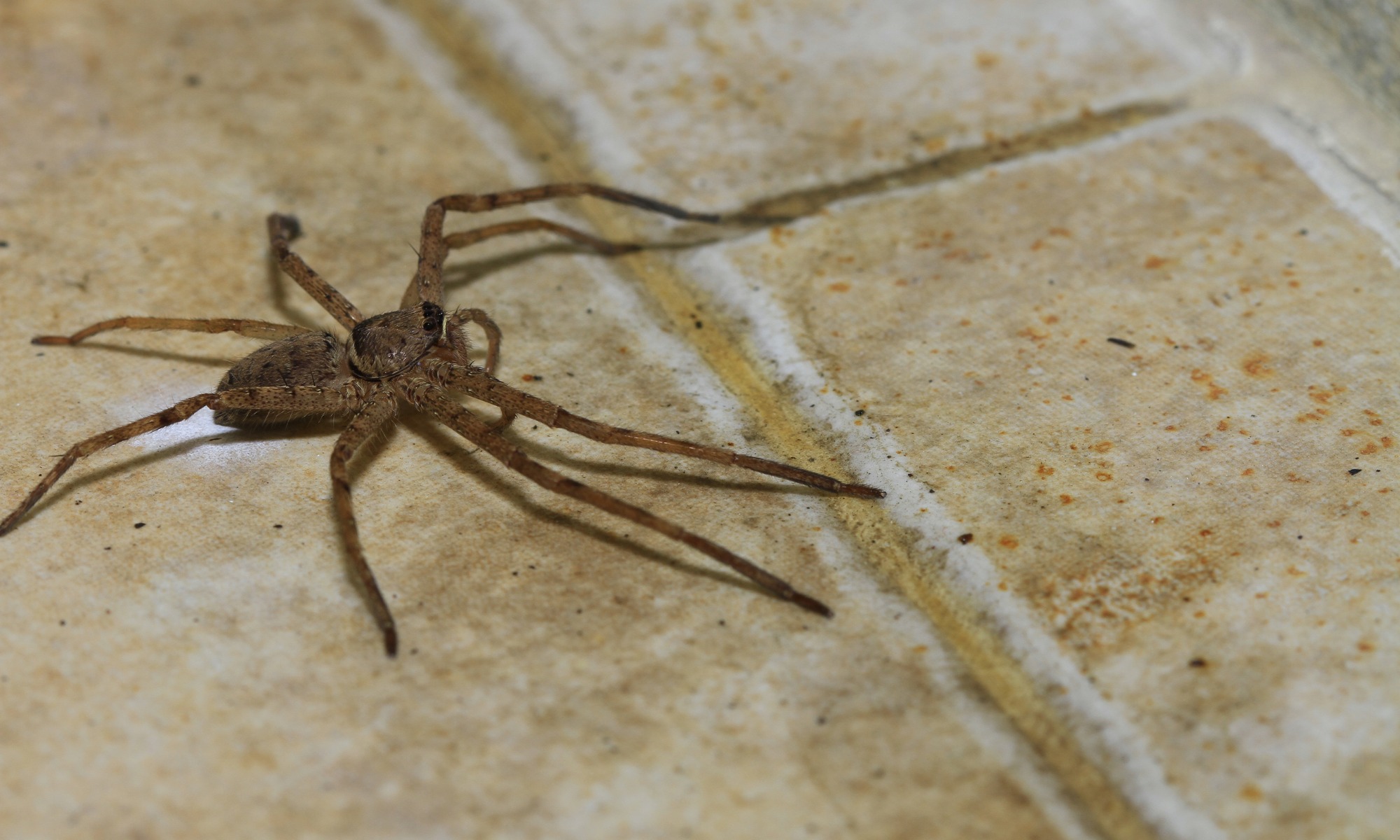
Spider control addresses recurring spider activity by identifying hiding places, considering treatment and reducing conditions that support spiders indoors. Frontier Trapper provides spider control in Overland Park, Kansas, for homeowners finding repeated sightings, new webs or egg sacs. An occasional spider is different from ongoing activity in bedrooms, storage areas or other regularly used rooms.
What signs suggest recurring spider activity?
Identification comes before treatment
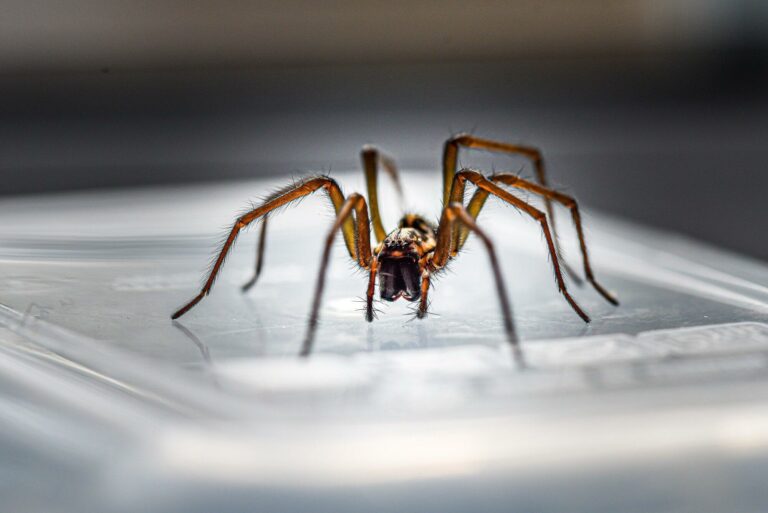
Indoor hiding areas worth checking
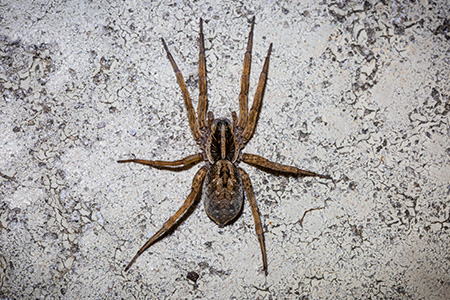
Brown recluse identification needs more than a marking
Why do spiders keep appearing indoors?
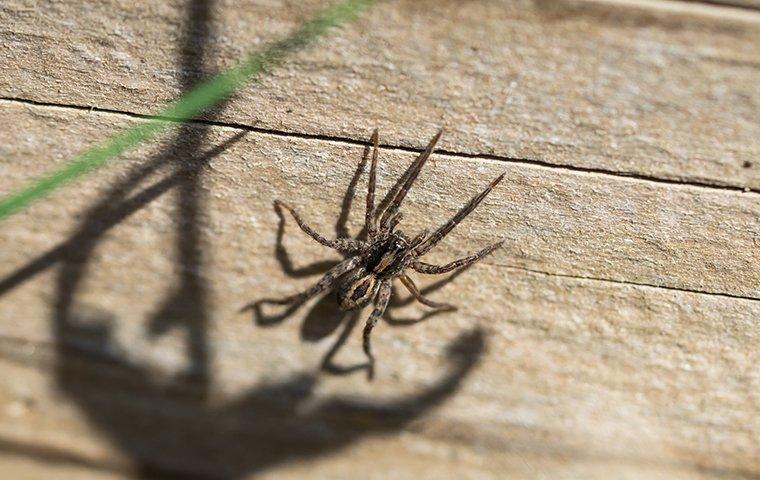
Shelter, entry gaps and insect activity
How Frontier Trapper approaches spider control
Start by telling Frontier Trapper which rooms are affected, how often you see spiders and whether activity has changed. Inspection focuses on the reported areas, potential entry points and hiding places. Identification and the extent of activity guide the discussion of treatment and prevention.
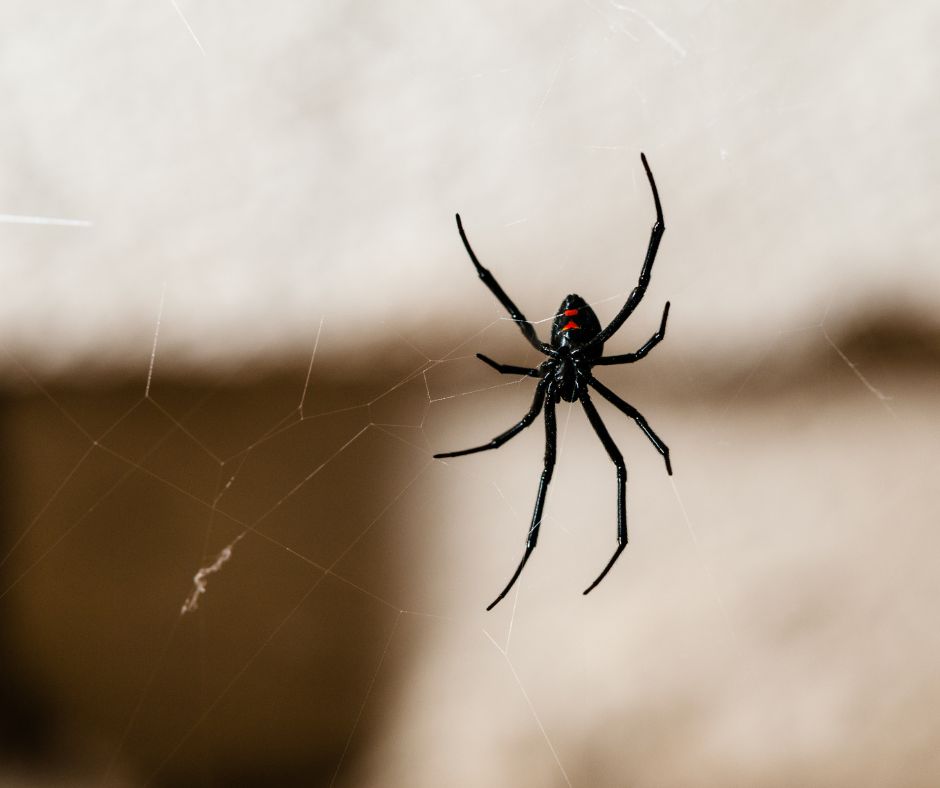
Treatment based on the findings
What can homeowners do to reduce spider activity?
When does professional spider control make sense?
Contact Frontier Trapper when sightings continue despite cleaning and exclusion, when egg sacs recur, or when you need help identifying a suspected brown recluse. For an Overland Park property in the Kansas City metro, share the affected rooms and any photographs so the conversation starts with your specific situation.
Frequently Asked Questions
Find answers to common questions about our wildlife trapping and removal services
Talk to Frontier Trapper About Recurring Spiders
Call 816-914-8660 with the rooms affected and what you have noticed. Discuss spider inspection and control options for your Overland Park home.
Call Now 816-914-8660