Attic Remediation in Overland Park, KS

Attic Remediation in Overland Park, KS

Getting animals out of the attic is the first step. The next step is dealing with what they left behind. Raccoons, squirrels, bats, mice, and rats can leave droppings, nesting material, odors, and damaged insulation. Frontier Trapper helps Overland Park homeowners understand the condition of the attic and build a clear plan to restore it.

A proper plan is based on what the inspection finds. Some attics need focused cleanup. Others need damaged insulation removed, affected surfaces treated, entry points sealed, and fresh insulation installed. We explain the scope before work begins so you know what your attic needs and why.

What Attic Remediation Means After Wildlife Damage

Inspect the attic for animal activity, contamination, damaged insulation, and exposed entry points.
Remove affected insulation, nesting debris, and other materials when the inspection shows they need to go.
Clean and treat the areas that were affected by wildlife activity.
Plan for entry-point repairs and fresh insulation so the attic is ready for long-term use again.

Signs Your Overland Park Attic May Need Remediation
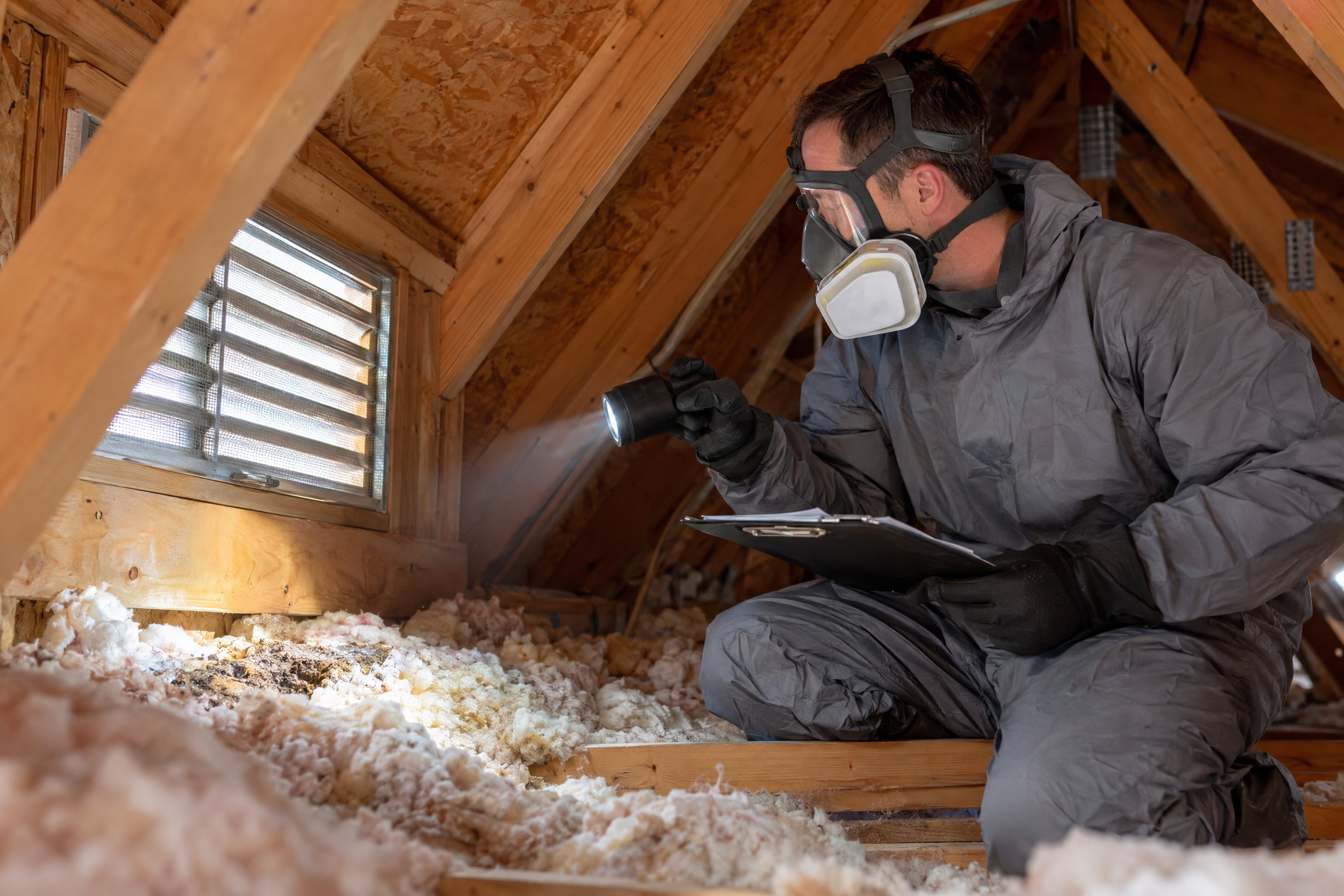
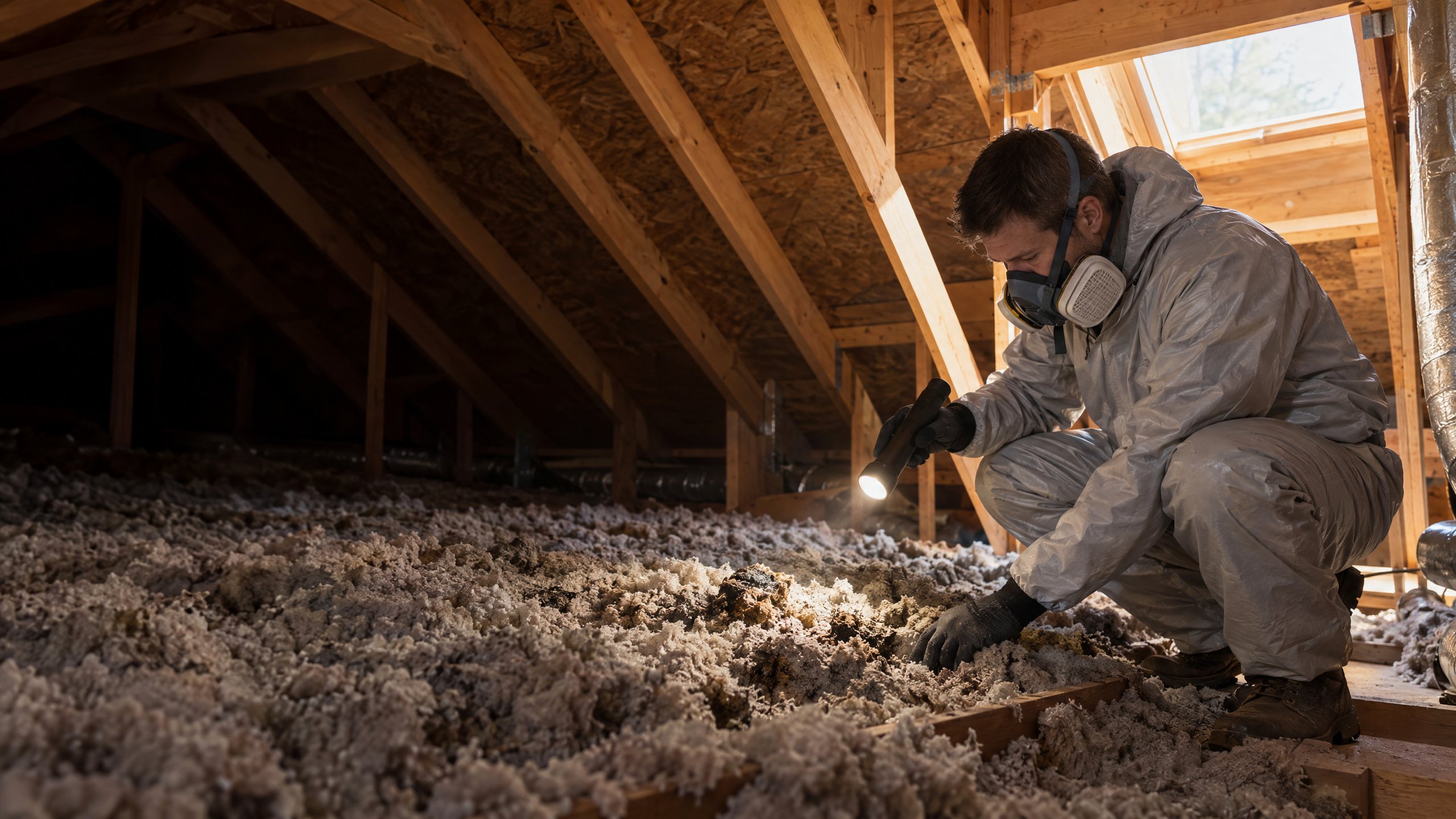
Technician inspecting wildlife damage in an attic

Look beyond the noise

Scratching in the ceiling, a strong attic odor, torn insulation, droppings, nesting material, or a damaged vent can all point to a larger attic issue. If animals have been active in the space, an inspection helps separate an active wildlife problem from the cleanup and repair work that may be needed afterward.
Insulation that looks flattened, tunneled through, torn apart, or heavily soiled.
Droppings, urine stains, nesting material, or a smell coming from attic access points or vents.
Chewed vents, roof gaps, damaged soffits, or other openings that let wildlife back inside.
Uneven comfort upstairs after insulation has been disturbed or compressed.

Our Attic Remediation Process

Professional attic remediation inspection

1. Inspect and document the attic

We look at the active wildlife signs, insulation condition, nesting areas, vents, roofline access, and affected surfaces. This step helps show whether the problem is limited to one area or spread across more of the attic floor.
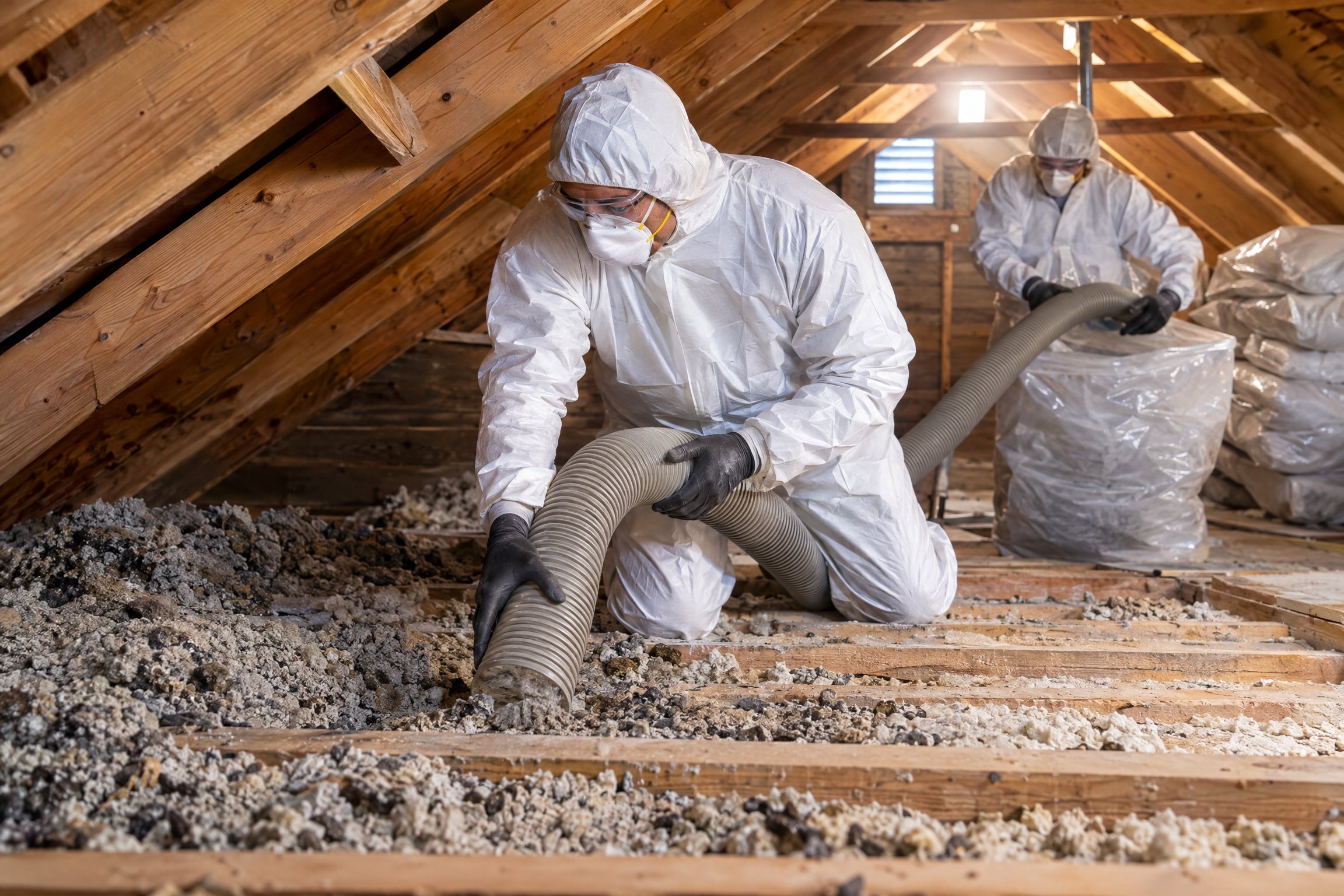
Technicians removing damaged attic insulation

2. Remove affected materials when needed
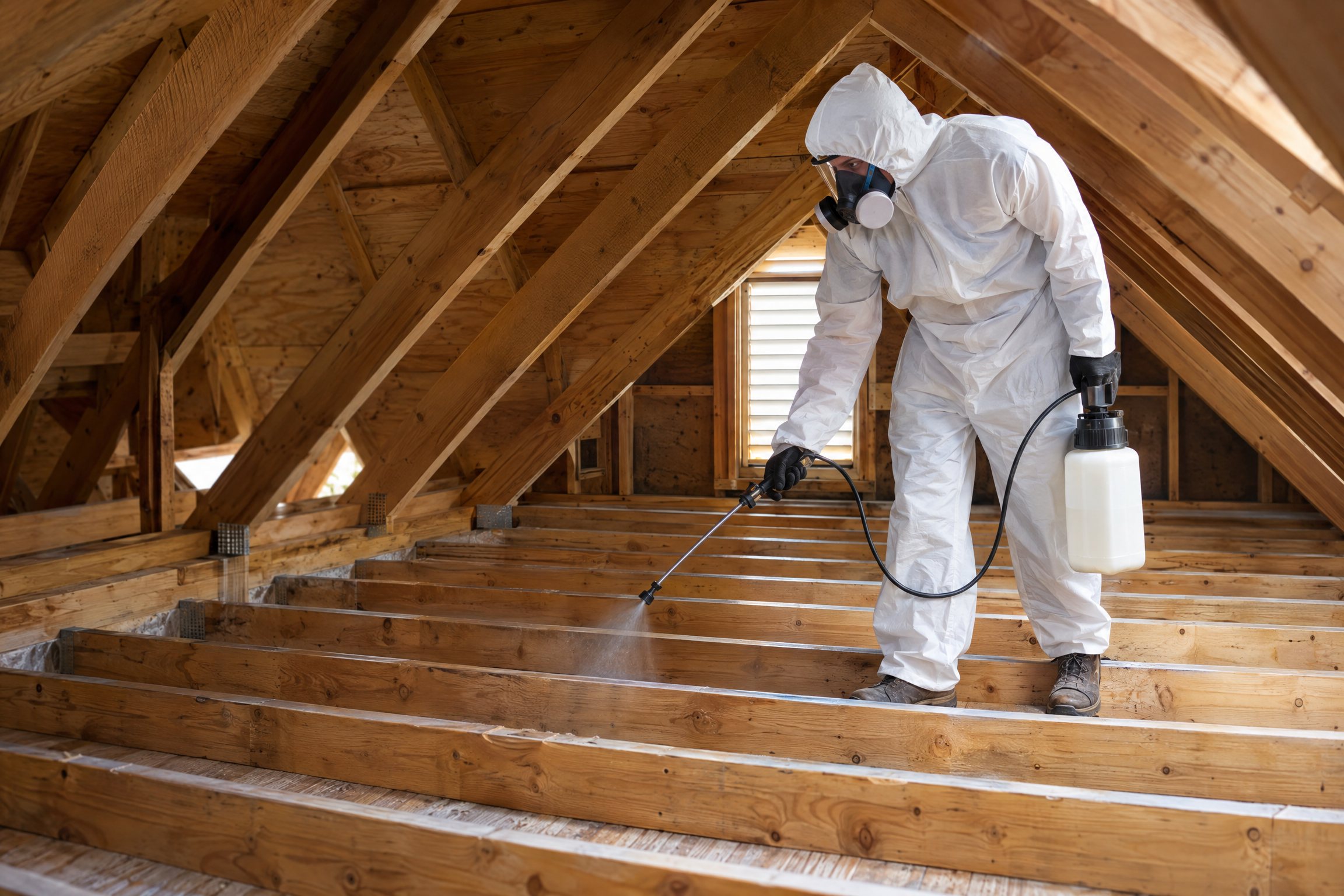
When insulation or debris has been damaged or contaminated, the plan may include controlled removal and disposal. Taking out affected material also makes it easier to inspect the attic floor, see hidden damage, and prepare the space for the next step.
Technician treating an attic after wildlife cleanup

3. Clean and treat affected areas

After affected materials are removed, the attic can be cleaned and treated where needed. The goal is to address residue and odors without treating every attic as the same. The final approach depends on the animal, the location, and the condition of the materials left behind.
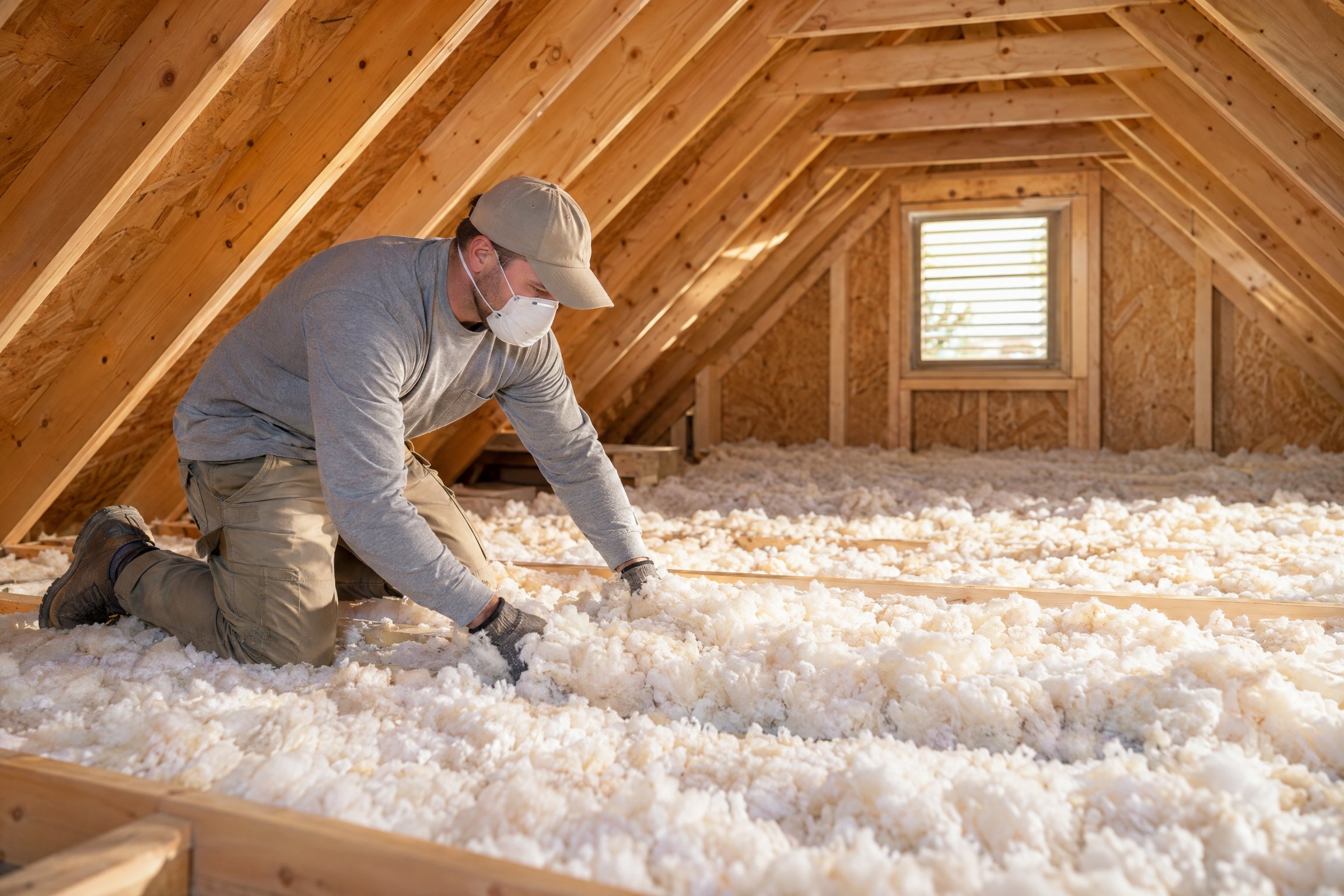
Fresh attic insulation being installed after remediation

4. Restore insulation and help prevent another entry

Once the attic is ready, we can discuss fresh insulation and the exclusion work that helps keep wildlife from using the same entry points again. Restoring the insulation layer is the final stage, not the first, so the attic is rebuilt on a cleaner foundation.

Why Animal Removal and Exclusion Come First

Cleanup will not solve an attic problem if animals can still get in. Before insulation is replaced, the source of activity should be addressed. That can mean wildlife removal, a one-way exclusion device when appropriate, and repairs around rooflines, soffits, vents, chimneys, or other access points. This sequence helps protect the new work from being damaged again.

When Wildlife-Damaged Insulation May Need to Be Removed

Insulation does not always need a full replacement after every animal sighting. The inspection should guide that choice. Removal may make sense when insulation has widespread droppings or urine, nesting debris, heavy damage, strong odor, or compression that keeps it from doing its job. A small, contained issue may need a different scope than a broad attic contamination problem.

A Safer Approach to Rodent and Raccoon Waste

Avoid dry sweeping or vacuuming rodent droppings because it can stir contaminated dust into the air. Public health guidance recommends wetting droppings with disinfectant before cleanup. Raccoon waste also needs careful handling. If you find a suspected raccoon latrine, do not disturb it without proper precautions. An attic inspection can help you decide when professional cleanup is the safer choice.

What Affects Attic Remediation Cost?

The cost depends on what the attic needs. Access, the amount of affected insulation, the type of wildlife, cleanup needs, odor, repairs, and whether new insulation is part of the plan can all change the scope. An inspection gives you a clearer estimate than a price range based only on a phone description.

Start With a Clear Attic Assessment

If your Overland Park attic smells different, shows damaged insulation, or has signs of wildlife, Frontier Trapper can inspect the space and explain the next steps. You will know whether the immediate priority is animal removal, exclusion, cleanup, insulation restoration, or a combination of these services.

Frequently Asked Questions

Find answers to common questions about our wildlife trapping and removal services

Attic remediation is the cleanup and restoration work done after wildlife has damaged or contaminated an attic. The scope may include inspection, removal of affected materials, cleaning, entry-point repairs, and new insulation when needed.
Yes. Active wildlife and the entry points they use should be addressed before cleanup or new insulation is installed. Otherwise, animals may damage the attic again.
Not always. The right choice depends on the type and spread of contamination, nesting debris, odor, damage, and insulation condition. An attic inspection helps determine whether focused cleanup or broader removal is appropriate.
Do not dry sweep or vacuum rodent droppings. CDC guidance recommends wetting droppings with a disinfectant before cleanup so dust is less likely to become airborne. Heavy contamination may require professional precautions and equipment.
The timeline depends on attic access, the size of the affected area, removal needs, cleanup steps, repairs, and insulation replacement. We can outline the expected sequence after the inspection.
Coverage depends on your policy, the cause of the damage, and the details of the claim. Check with your insurer before assuming coverage. We can explain the work found during the inspection so you have clear details to discuss with them.
Prevention starts with identifying and securing entry points around vents, soffits, rooflines, chimneys, and other gaps. The right exclusion work depends on the animal and how it entered the home.

Get an Attic Remediation Inspection

Call Frontier Trapper to discuss wildlife activity, attic odors, damaged insulation, or a cleanup plan for your Overland Park home.

Call Now 816-914-8660