

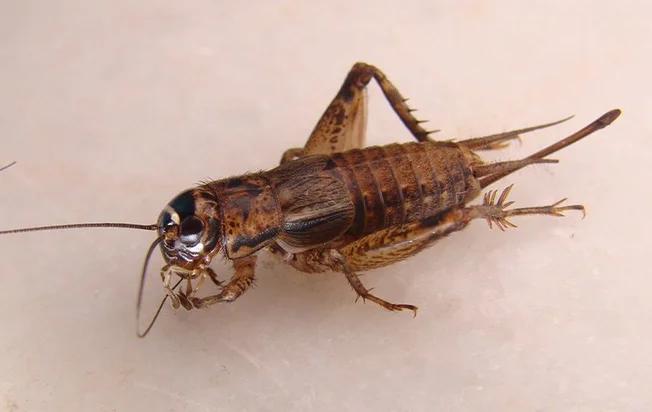
How to Stop Cricket Chirping at Night: Finding and Silencing the Source
Few household pests are as effective at ruining sleep as a single cricket behind a wall. It starts after dark, stops the instant you get close, and resumes the moment you give up and go back to bed. Here is what is actually happening, how to find the source, and how to make it stop — including the part most homeowners miss, which is that persistent indoor chirping means more than one cricket.
Why Crickets Chirp
Only male crickets chirp, and they do it by rubbing a scraper on one forewing against a file of ridges on the other. The purpose is to attract females. That means a chirping cricket is not lost — it is advertising, which tells you it expects females to be within earshot. A male calling night after night from inside your wall is a strong indication that there is a population in the structure, not a single wanderer.
It also tells you the species. Camel crickets are completely wingless and physically cannot chirp, so any chirping you hear is house crickets or field crickets. House crickets are the ones that reliably live and breed indoors, and they are the usual culprit for chirping that goes on for weeks.
Why It Only Happens at Night
Crickets are nocturnal, so calling peaks after dark. Warmth also drives the rate — crickets chirp faster the warmer it is, which is why the noise picks up near a furnace, water heater, or warm wall cavity and slows in a cold garage. And the reason it stops when you walk over is simple: vibration through the floor signals a threat, and the cricket goes silent until things settle. That behavior is frustrating, but it is also the tool you use to find it.
How to Locate the Cricket
Finding the exact spot is the hardest part, because sound carries and reflects inside wall cavities. Work methodically:
- Listen from more than one room. Chirping that seems to come from a bedroom wall often originates in an adjacent closet, utility space, or the basement below. Compare volume from each side to narrow it down.
- Use the silence against it. Move slowly toward the sound and stop when it cuts off — you are close. Wait quietly for two or three minutes without moving and it will usually resume, letting you take another step.
- Check the warm spots first. Crickets gravitate toward heat sources. Look around furnaces, water heaters, laundry areas, and pipe chases.
- Check the damp spots second. Utility rooms, sump areas, crawl space access points, and under basement stairs.
- Look at floor level. Crickets stay low. Scan along baseboards, behind stored boxes, under shelving, and in the gap where wall meets floor.
- Set glue boards along the walls. Placed flat against baseboards in the suspected area, they will catch the cricket and, just as usefully, tell you how many are down there.
Silencing It Tonight
If you need sleep before you solve the underlying problem, a few things genuinely help. Cooling the area slows chirping noticeably — turning down the heat or moving air through the space with a fan reduces both the rate and the volume. White noise or a fan in the bedroom masks the frequency well. And if you can locate and remove the individual cricket, that particular problem ends immediately.
What does not work is spraying blindly into a wall cavity or setting off a fogger. Neither reaches where crickets actually harbor, and you end up with the same chirping and a treated house.
Why It Keeps Coming Back
Catching one cricket buys you a quiet week. If the chirping returns, the cricket was a symptom. Two scenarios are almost always behind recurring indoor crickets in Overland Park:
- The fall migration. As Midwest crops are harvested in late summer and fall, field cricket habitat is destroyed and huge numbers of displaced crickets move toward homes and neighborhoods, drawn to bright exterior lighting. Enough of them find a gap that some end up inside.
- An established indoor population. House crickets tolerate indoor conditions and will breed in a basement, garage, or utility area. Once that happens, removing individuals does nothing — new males keep calling.
A third possibility, if the noise is a rustling or scratching rather than a chirp and you find pale humpbacked insects, is camel crickets — a moisture problem rather than a noise problem. Our guide to telling the three cricket species apart covers how to tell which you have.
Losing sleep to chirping in the walls? We'll locate the population and clear it out inside and out. Learn about our cricket control service.
Explore Cricket Removal in Overland ParkMaking It Stop for Good
Lasting quiet comes from removing the attractant and closing the entry points:
- Adjust your lighting. Switch exterior bulbs to yellow "bug" lights or warmer LEDs, and keep porch, garage, and landscape lights off when not needed. Bright white light is a powerful cricket attractant and one of the biggest drivers of indoor crickets in the fall.
- Seal ground-level gaps. Install tight door sweeps on exterior and garage doors, seal foundation cracks and expansion joints, and screen crawl space vents and low openings.
- Cut back harborage at the foundation. Thin mulch, trim dense plantings against the house, and move woodpiles and stored materials away from the walls.
- Dry out the lower level. Reduce basement and crawl space humidity, correct drainage, and address water intrusion — this removes the conditions camel crickets depend on and that house crickets prefer.
- Reduce clutter in storage areas. Stacked boxes and stored fabric give crickets both harborage and food.
- Time the exterior treatment. A residual perimeter barrier applied ahead of the late-summer and fall migration intercepts crickets before they reach the walls, which is far more effective than reacting after they are inside.
When to Call a Professional
A single cricket that stops after you find it is a nuisance you can handle. Chirping that persists for weeks, returns each season, or comes from multiple locations means an established population inside the structure, and interior harborage zones need targeted treatment and baiting rather than surface spraying. Frontier Trapper identifies the species, treats both the exterior perimeter and interior harborage, corrects the moisture conditions sustaining them, and seals the gaps and adjusts the lighting that make your home a beacon in the first place.