

Birds Nesting in Your Dryer or Bathroom Vent? Here's the Fix
It usually starts with a sound — scratching, chirping, or a scrabbling in the wall behind the dryer or bathroom fan — and maybe a dryer that suddenly takes twice as long to finish a load. A bird has built a nest inside your exterior vent. It is one of the most common bird complaints in Overland Park, and while it seems minor, a nest packed into a vent is both a genuine fire hazard and a problem that will repeat every year until you fix it the right way.
Why Vents Are Prime Nesting Spots
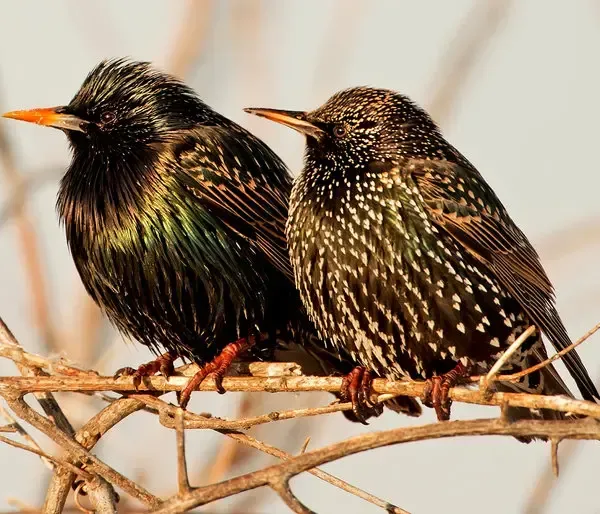
From a bird's point of view, a dryer, bathroom, or stove vent is close to a perfect nest cavity: it is an enclosed, sheltered hole in the side of a warm building, protected from weather and predators, often with a bit of warmth and airflow. The usual culprits are European starlings and house sparrows — both cavity-nesters that actively seek out exactly this kind of space, and both non-native species not protected under federal law. Vents with flimsy or broken flapper covers, or no cover at all, are an open invitation.
Signs a Bird Is in Your Vent
- Scratching, chirping, fluttering, or scrabbling sounds behind the dryer, bathroom fan, or kitchen vent, often loudest in early morning.
- A dryer that runs long, gets hot, or won't dry a load, because nesting material is blocking the exhaust.
- A bathroom or kitchen fan that has lost suction or become noisy.
- Nesting material — twigs, straw, grass — sticking out of the exterior vent hood, or scattered below it.
- Birds seen repeatedly landing at and entering the vent hood, especially in spring.
- A vent flapper that no longer closes because material is jammed behind it.
Why This Is a Real Hazard, Not Just a Nuisance
A blocked vent is more serious than it sounds:
- Fire risk. A dryer vent packed with dry twigs and grass is a serious fire hazard — the exhaust is warm, the nesting material is tinder, and blocked airflow makes the dryer run hotter. Clothes dryers are a well-known cause of house fires, and a nest-blocked vent raises that risk.
- Ventilation and moisture. Blocked bathroom and kitchen vents trap humidity and cooking exhaust indoors, which can lead to mold and lingering moisture problems.
- Carbon monoxide concern. If a fuel-burning appliance shares or sits near a blocked vent, obstructed airflow can become a safety issue.
- Pests and odor. Nesting material, droppings, and eventually dead nestlings or unhatched eggs bring mites, beetles, and odor into the wall.
- It repeats. Birds return to a successful nest site year after year, so an untreated vent becomes an annual problem.
Why Removal Alone Never Works
The most common mistake is pulling the nest out and considering the job done. Within days or the next season, the birds are back — because the thing that made your vent attractive, an open cavity, is still there. Clearing the nest without covering the vent is like bailing a boat without patching the hole. The fix has two inseparable parts: clear the blockage, then install a proper vent cover so the cavity is closed for good while still letting the vent exhaust freely.
The right cover matters, too. It has to keep birds out while still allowing full airflow — a solid or fine-mesh screen that clogs with lint defeats the purpose and creates its own hazard. Proper louvered or guard-style vent covers are designed to exclude birds without restricting the exhaust.
The Legal Catch: Timing and Species
Here is where it gets nuanced. Starlings and house sparrows are non-native and not protected, so their nests can generally be cleared. But if a protected native bird has nested in the vent and the nest is active with eggs or young, federal law under the Migratory Bird Treaty Act prohibits disturbing it until the young fledge. Because it is not always obvious which species you are dealing with, identification matters before anything is removed. This is a big reason vent-nesting problems are best handled by someone who knows both the birds and the law. Our guide on which birds you can legally remove covers the distinction in full.
A nest in your dryer or bathroom vent is a fire and airflow hazard that comes back every year. We clear it, install a proper vent cover, and keep birds out for good.
Explore Bird Control in Overland ParkThe Right Fix, Step by Step
Resolving a vent-nesting problem correctly looks like this:
- Identify the species and confirm legal status before anything is removed.
- For non-protected pest birds, clear the nest and all blocking material from the vent duct.
- For protected species with an active nest, wait out the fledging period, then clear and exclude.
- Clean and sanitize the duct, removing droppings, mites, and debris.
- Install a proper bird-proof vent cover that excludes birds while allowing full airflow.
- Check nearby vents and openings, since birds that liked one vent often eye the others.
Prevention: Cover the Vents Before Spring
The best time to deal with vent nesting is before it happens. In late winter, before spring nesting begins, fit every exterior vent — dryer, bathroom, kitchen, and any wall or gable vent — with a proper cover, and repair any flapper hoods that no longer close. Pair that with removing attractants like unsecured garbage and spilled seed that support pest bird populations, and you close off the cavities before the birds start looking. Frontier Trapper identifies the species, clears vents legally, installs bird-proof covers that maintain airflow, and cleans up, so a vent that nested birds this year stays empty next year.