

Are Coyotes Dangerous? Protecting Pets in Overland Park
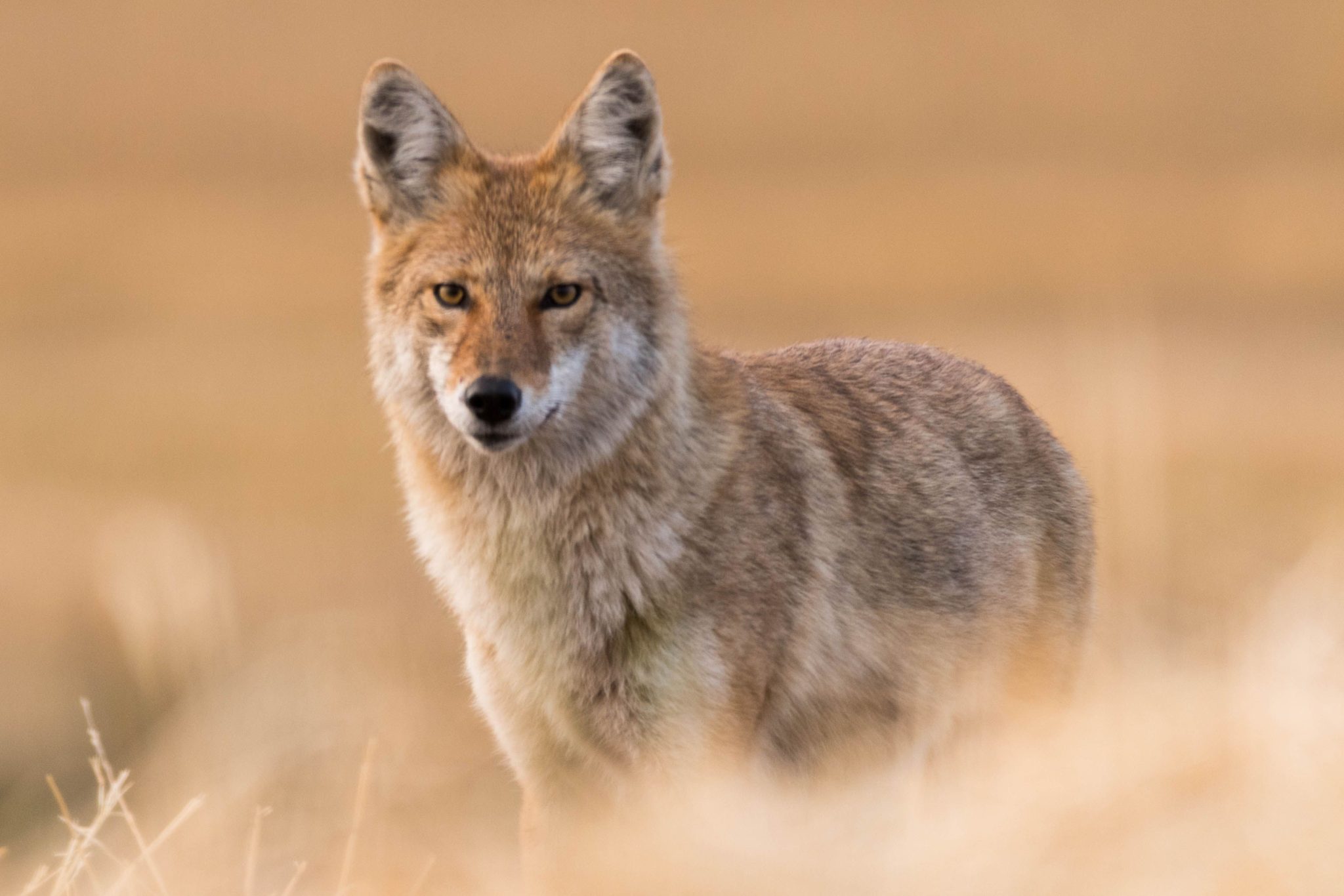
Coyotes are a permanent part of the Overland Park landscape now, moving through the same creeks, greenbelts, and neighborhoods where people walk their dogs. That naturally raises the question every homeowner wants answered honestly: how dangerous are they, really? The short version is that coyotes are a low risk to people and a genuine risk to pets — and that the risk to both rises sharply once a coyote loses its fear of humans.
The Risk to People
Coyote attacks on people are rare. Coyotes are naturally wary and almost always avoid humans, keeping their distance and moving on. When bites do occur, they are almost always linked to coyotes that have been fed — directly by people or indirectly through unsecured food — and have come to associate humans with an easy meal instead of danger. A healthy, wild-behaving coyote is not looking to confront you. The exceptions worth taking seriously are a coyote acting boldly unafraid, one that is sick or behaving erratically (a possible rabies concern), or a den being defended in spring.
The Risk to Pets Is Real
This is where the honest answer changes. Coyotes are effective predators, and cats and small dogs are within their prey range. Free-roaming cats are especially vulnerable, and small dogs are at risk when left unattended in an unfenced yard or walked off-leash at the wrong time of day. Even larger dogs can be drawn into a dangerous confrontation, particularly during the winter breeding season when coyotes are more territorial. The highest-risk times are dawn, dusk, and overnight, when coyotes are most active.
The Real Turning Point: Food-Conditioning
Almost every serious coyote problem traces back to the same cause — a coyote that has learned to associate people and homes with food. This is called food-conditioning or habituation, and it is the difference between a coyote that trots away when it sees you and one that lingers, watches, and grows bolder.
It usually happens gradually and unintentionally: pet food left on the porch, unsecured garbage, fallen birdseed and fruit, compost, and the rabbits and rodents those attract. Each easy meal teaches the coyote that your property is safe and rewarding, and every uneventful encounter with a person that is not challenged chips away at its natural wariness. A food-conditioned coyote is the one that eventually poses a risk to pets and, occasionally, people.
Warning Signs a Coyote Has Become a Problem
- Approaching people or following pets rather than fleeing.
- Lingering in yards or on porches, or showing up on a predictable daily schedule.
- Watching people, pets, or children with obvious interest instead of moving on.
- Attacking or stalking pets, or repeated pet disappearances in the area.
- Showing no fear when clapped at or shouted at.
- Any coyote active and bold in broad daylight while appearing sick, disoriented, or aggressive — treat as a possible rabies concern and report it.
A coyote simply passing through the yard is normal and not cause for alarm. The behaviors above are the ones that signal an escalating problem worth addressing before it worsens.
How to Protect Your Pets
- Keep cats indoors. It is the single most effective way to protect a cat from coyotes.
- Supervise and leash small dogs. Accompany them outside at dawn, dusk, and night, and keep them on a short leash on walks.
- Never leave pets unattended in an unfenced yard, especially around dawn and dusk.
- Secure the food. Feed pets indoors, lock down garbage, clean up fallen birdseed and fruit, and never feed coyotes.
- Protect poultry and small livestock in predator-proof enclosures with buried wire, locked at night.
- Clear cover and den sites. Trim brush and close off spaces under decks and sheds where coyotes might den.
Seeing a bold coyote that lingers, watches, or won't back down? That behavior escalates. We assess the risk and remove problem animals humanely and legally.
Explore Coyote Control in Overland ParkWhat to Do If a Coyote Approaches You
If a coyote comes toward you or your pet, do not run — running can trigger a chase. Instead, make yourself large and threatening: stand tall, wave your arms, shout, and use anything loud to haze it. Pick up small pets and children. This response, called hazing, reinforces the coyote's fear of people and is one of the most effective tools for keeping neighborhood coyotes wild and wary. A coyote that backs off when hazed is behaving normally; one that does not is a serious warning sign.
When to Call a Professional
Removing one coyote rarely solves the problem on its own if the food and conditions that drew it remain — another can move into the same territory. That is why effective coyote control combines assessment, removal of genuinely problem animals, attractant removal, and hazing to restore wariness. Call when a coyote has become bold or food-conditioned, is denning near the home, is preying on pets, or is behaving in a way that suggests illness. Frontier Trapper assesses the real risk and handles problem coyotes humanely and in compliance with Kansas wildlife regulations. For the day-to-day technique that keeps coyotes wary, see our guide on how to haze a coyote.