

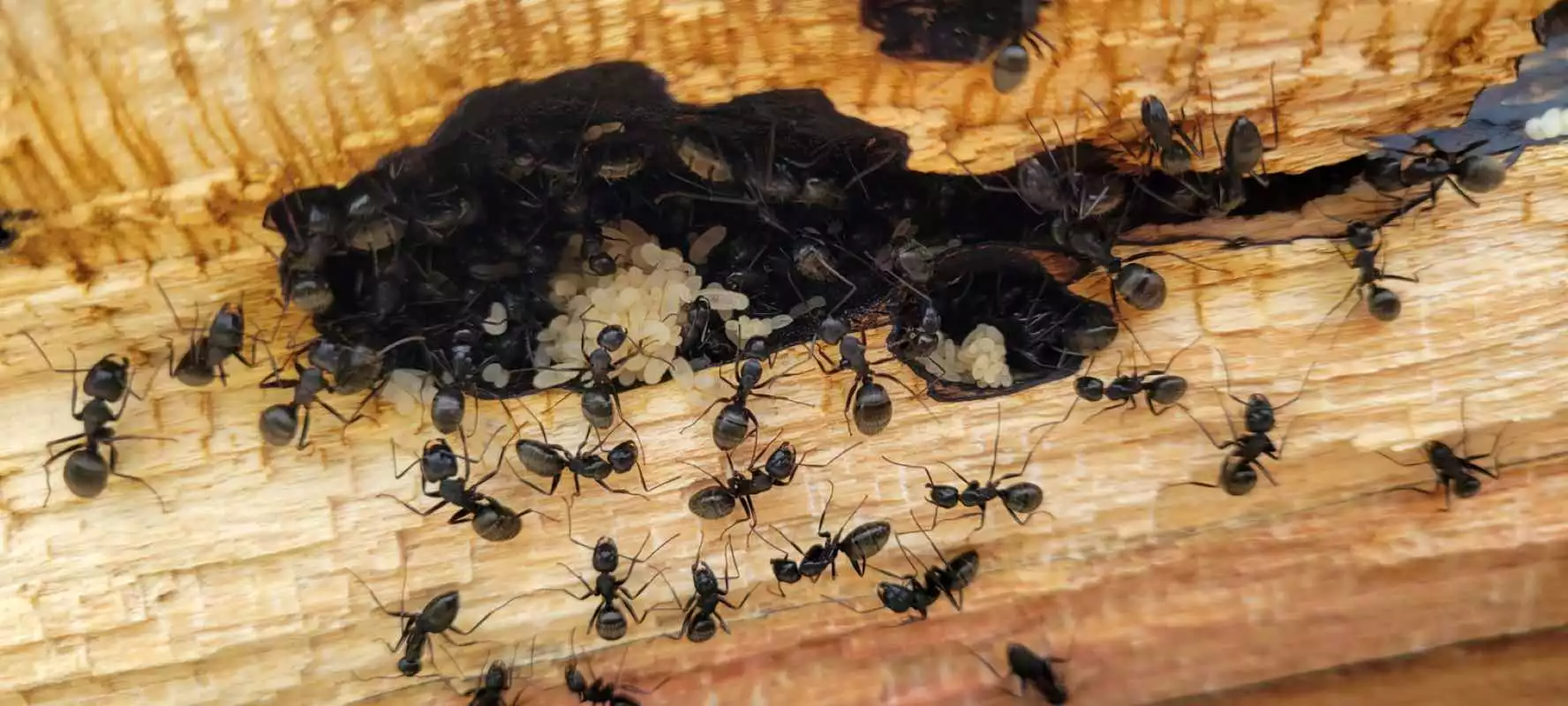
Identifying Carpenter Ant Damage and Infestation Signs in Your Overland Park Home
Carpenter ants are more than just a nuisance; they can cause serious structural damage to your Overland Park home. Unlike termites, which eat wood, carpenter ants tunnel through it to create nests. Knowing how to spot the signs of their presence early can save you from costly repairs down the road.
Why Carpenter Ants Are a Threat
These ants prefer to nest in damp or decaying wood, but they will expand into sound wood as their colony grows. Their tunneling weakens wooden structures, including support beams, floor joists, and wall studs. This damage can compromise the safety and value of your home if left unchecked.
Key Signs of a Carpenter Ant Infestation
1. Sawdust-like Material (Frass)
One of the most common signs is the presence of frass, which looks like fine sawdust. This material is actually wood shavings, insect body parts, and ant excretions that carpenter ants push out of their tunnels. You'll often find frass near baseboards, window sills, door frames, or beneath wooden furniture.
2. Large Ants Indoors
Seeing large, black or reddish-black ants (typically 1/4 to 1/2 inch long) foraging in your home is a strong indicator. While a single ant might be a scout, consistent sightings, especially in kitchens, bathrooms, or other moisture-rich areas, suggest a colony is nearby. If you see winged ants, known as swarmers, indoors, it means a mature colony is present and attempting to establish new colonies.
3. Rustling Sounds in Walls
In quiet moments, you might hear faint rustling, crinkling, or chewing sounds coming from inside your walls, ceilings, or wooden structures. This is the sound of carpenter ants actively tunneling through wood.
4. Damaged Wood
Unlike the muddy tunnels created by termites, carpenter ants create smooth, clean galleries within the wood. If you find wood that sounds hollow when tapped, or if you notice small, perfectly round holes (called "kick-out holes") where ants expel frass, it's a clear sign of their activity.
5. Ant Trails
Carpenter ants often follow established trails to and from their nests. Look for these trails along baseboards, under carpets, or even outdoors leading to trees or woodpiles near your home.
Where to Look for Carpenter Ants
Carpenter ants are often attracted to areas with moisture. Check:
- Around leaky pipes or faucets
- Underneath sinks and in bathrooms
- Around windows and door frames
- In attics, crawl spaces, and basements
- Near wood-to-ground contact points outside your home
What to Do If You Find Signs
If you suspect carpenter ants, it's important to act quickly. While good sanitation and moisture control can help, eliminating an established carpenter ant colony usually requires professional expertise. A professional pest control service in Overland Park can accurately identify the extent of the infestation and implement targeted treatments to protect your home.